

Short version: suppliers do not show the powder. They show what it changes. For an antioxidant enzyme there is nothing on the table that visibly changes, which may be why those booths run slides.
Read: a late September Quora question. Enzymes have no smell, color or taste, so what does an ingredient supplier show a buyer at a trade show booth? NovaPrism answered on September 22, and it is the most enjoyable thing I have read about enzymes this year.
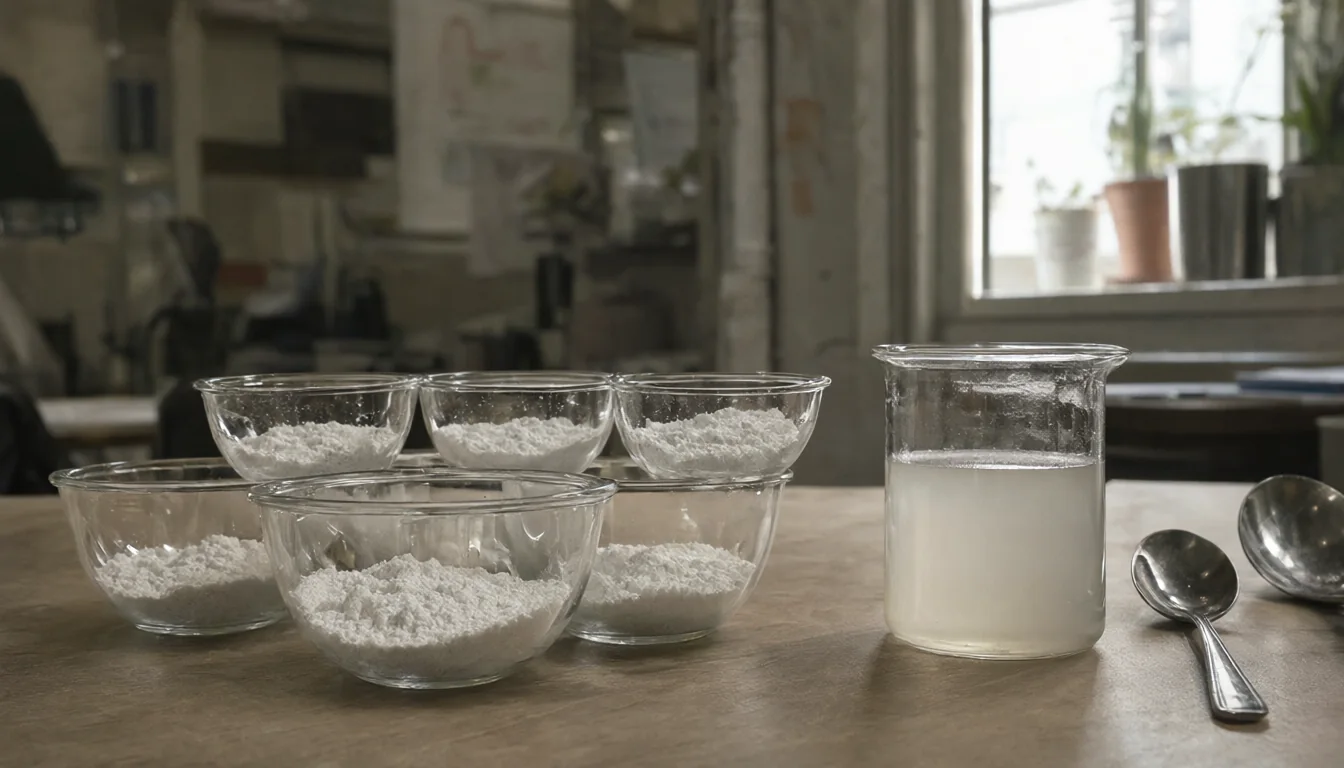
The opening: “A vial of pure enzyme powder is spectacularly boring. To sell it, reps drop a tiny pinch into a beaker of solid pudding and let buyers watch it liquefy into watery soup in seconds.”
That is the beaker demo. Two beakers of starch pudding, a pinch of alpha-amylase in one, and the solid goes to liquid as the enzyme cuts the starch. To show what happened, reps use an iodine spot plate: dark purple where starch remains, amber where it is gone. The same test I did on my mash in April.
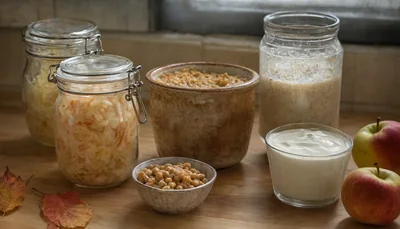
When the change is slower, they show the finished product. Two loaves baked three weeks earlier, one hard, the one made with an anti-staling enzyme still soft; visitors squeeze both. For oat milk, a cup of untreated chalky slurry next to the enzyme-treated version that has turned sweet. On the screens, animations of an enzyme docking with a chain and cutting it.
The line I copied: suppliers “never demonstrate the powder itself. Instead, they demonstrate the transformation.”
My notes. The whole answer is about enzymes whose work can be seen. For SOD the work is a radical turning into water inside a cell, and there is no pudding for that. I am going to a trade show at the end of this month, the first one, mostly to see what an SOD booth puts on the table. My guess is a slide deck and a bowl of melon.
Still open: what an SOD supplier’s demo is. I will write it down when I have seen one.