


Short version: brands buy from suppliers who also sell a competing product because they have no alternative. The business word for it is coopetition. In enzymes, where a few fermenters supply everyone, it is the normal case.
Read: a September Quora question I had never thought about from the brand side. When an ingredient supplier also sells its own finished product, do the brands buying raw material from them mind? Four answers over a week. Three were useful.
Ron McEachern, September 19, thirty-five years in the beverage business: this is how manufacturing is monetized. A manufacturer “can sell their own finished brand, they can sell ingredients to be incorporated into a private-label product for retailers, and they can sell branded ingredients/components to other manufacturers.” His closest example to supplements was AstaReal, an astaxanthin ingredient “which is supplied to manufacturers who incorporate it into their finished products,” and which keeps its own brand name on their labels.
MetroDispatch, September 21, on the feeling side: “Brands absolutely hate it, but it happens constantly.” Apple buys iPhone screens from Samsung. For decades Swatch Group’s ETA supplied the movements inside watches that competed with Swatch’s own brands, until Swatch cut the supply. The word for the arrangement is “coopetition,” and brands put up with it because the supplier has something they cannot make.
Gentle Reader, two days later: “The competing brands might not have any alternative, so it depends on the market. I am thinking of graphics cards right now.”

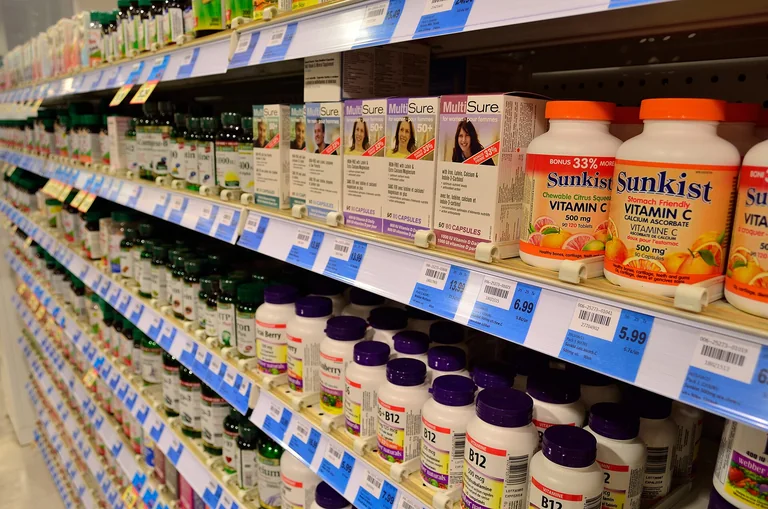
My notes. Put the three together and it is the enzyme business from the September 26 entry. A few fermenters make the enzyme. Everyone else buys it, including from a supplier that sells a competing capsule. It also means the trademark on an ingredient line, which I have been noticing on labels, is a supplier’s name riding on a brand’s bottle. That is tomorrow’s entry.
Still open: whether an enzyme supplier that sells its own finished product is required to disclose that on the ingredient line. I suspect not.