



Short version: a trademark on an ingredient line is there because a supplier owns that ingredient and licensed it. It says nothing about the quality of the other lines.
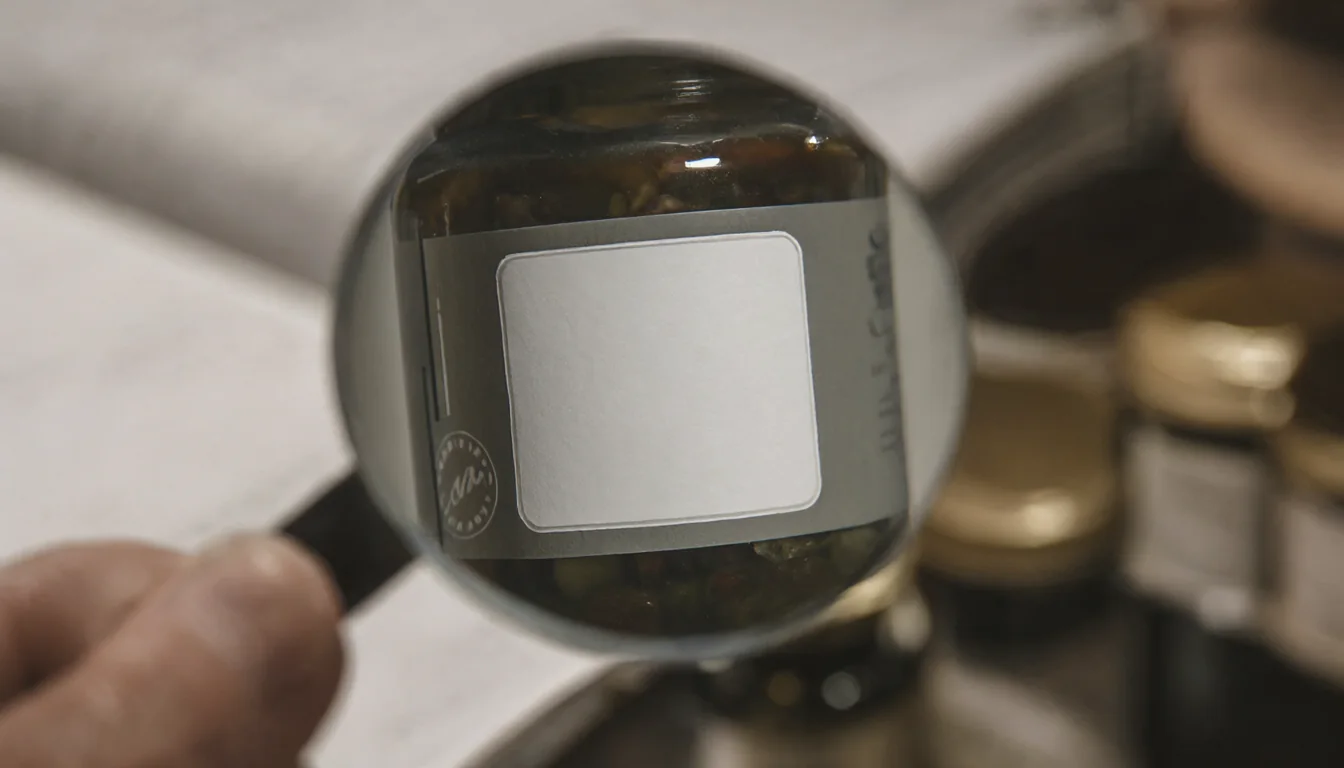
I finally read the whole panel on the enzyme supplement I have been taking since summer. Three active ingredients. Only the SOD line names the company that made the raw material, with a small-print footnote saying it is a registered trademark of a company in another country. The catalase and glutathione lines name nobody. The company on the front starts with “distributed by,” which makes it the seller, not the maker.
The question I wrote down: what decides which ingredients get a name and which do not?
The short answer, from the September 30 reading and a few forum threads this week: a name on an ingredient line is there because somebody owns it. A patented or trademarked ingredient comes with a license, and part of the deal is usually that the finished product shows the mark. Catalase and glutathione are generic. Nobody owns them, so nobody insists on a footnote.
The longer answer is the September 18 one. In the United States, nobody is required to say where any of it came from. The branded ingredient is disclosed because the ingredient company wants it disclosed. The rest stays blank because blank is allowed.

My notes. This changed how I read a panel. A trademark on one line is not a quality signal for the bottle. It is a signal that one supplier negotiated for visibility and the others did not or could not. It also tells me which ingredient the brand paid the most for, since licensed ingredients cost more than commodity powder.
I am still taking the product. I stopped reading the trademark as a promise about the other two lines.
Still open: whether the trademark owner publishes an activity number for its SOD, which would be more useful than the mark. Tomorrow I am pulling two labels from the NIH database to compare.