

Short version: both labels give an activity number, which is the right thing. One names the source as “fermented,” the other names it with a trademark. Neither says which one gets through the stomach.
The NIH keeps a public database of supplement labels as sold, called DSLD. I pulled two SOD products to see how differently the same enzyme gets written up.
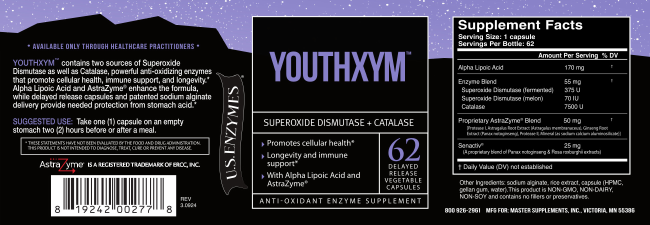
Youthxym, from U.S. Enzymes. The Supplement Facts panel lists an enzyme blend with three lines: “Superoxide Dismutase (fermented) 375 U,” “Superoxide Dismutase (melon) 70 IU,” and “Catalase 7500 U.” Two sources of SOD in one capsule, one from fermentation and one from melon, each with its own activity figure. Neither SOD line carries a brand name. Elsewhere on the same label a different ingredient does: “Proprietary AstraZyme® Blend,” with a footnote naming the trademark owner. So the label can name a supplier when it wants to. For the fermented SOD it does not.
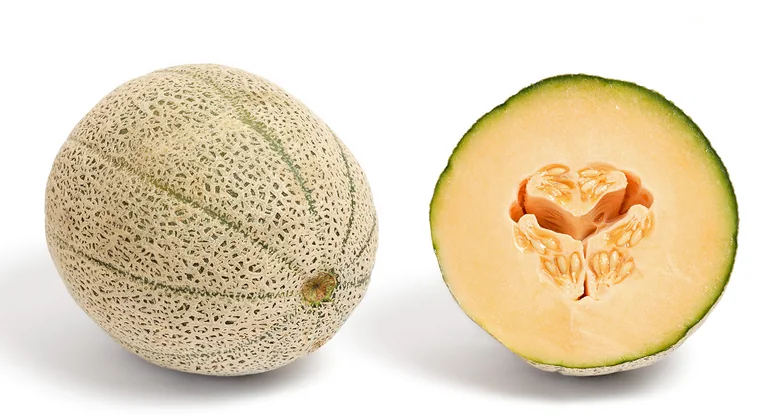
Life Extension SOD Booster. The SOD line reads “Extramel® melon pulp concentrate (fruit) [providing 140 IU of SOD] 10 mg.” The branded ingredient comes first, the activity sits in brackets, and the bottom of the label says Extramel is a registered trademark of Bionov.
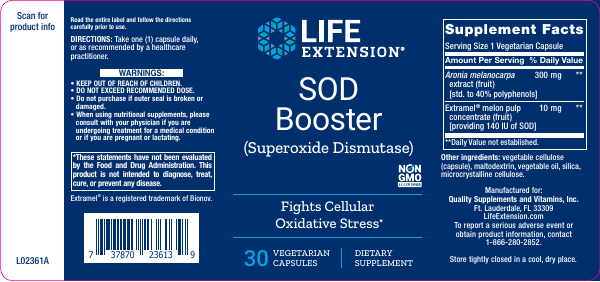

What I wrote down. Both labels give activity units and keep them separate from milligrams. That is the thing the September 20 and September 28 entries were asking for, and here it is on two real labels. The word “fermented” on the first label does the job a brand name does on the second: it says where the enzyme came from. One uses a source word, the other a trademark. Both are legal. Neither tells me which survives the stomach better, which is still the June question.
Note for myself: “fermented” SOD is a source I have not read about at all. Everything since June has been melon. Something to look into.
Still open: what a fermented SOD is, which organism, and whether anyone has published on it.