

TL;DR
- In a ten-week study, eating more fermented food made people’s gut microbes more varied.
- Fermenting beans and grains breaks down phytate, so your body absorbs more of their iron and zinc.
- Sauerkraut and kimchi with a meal help you absorb more iron from that meal.
- If you eat natto, you don’t need a vitamin K2 pill, and if you take a blood thinner, ask your doctor first.
- Yogurt is a good place for your vitamin D pill, but not for your iron or calcium pill.
- Coffee an hour before a meal is fine for iron. Coffee an hour after isn’t.
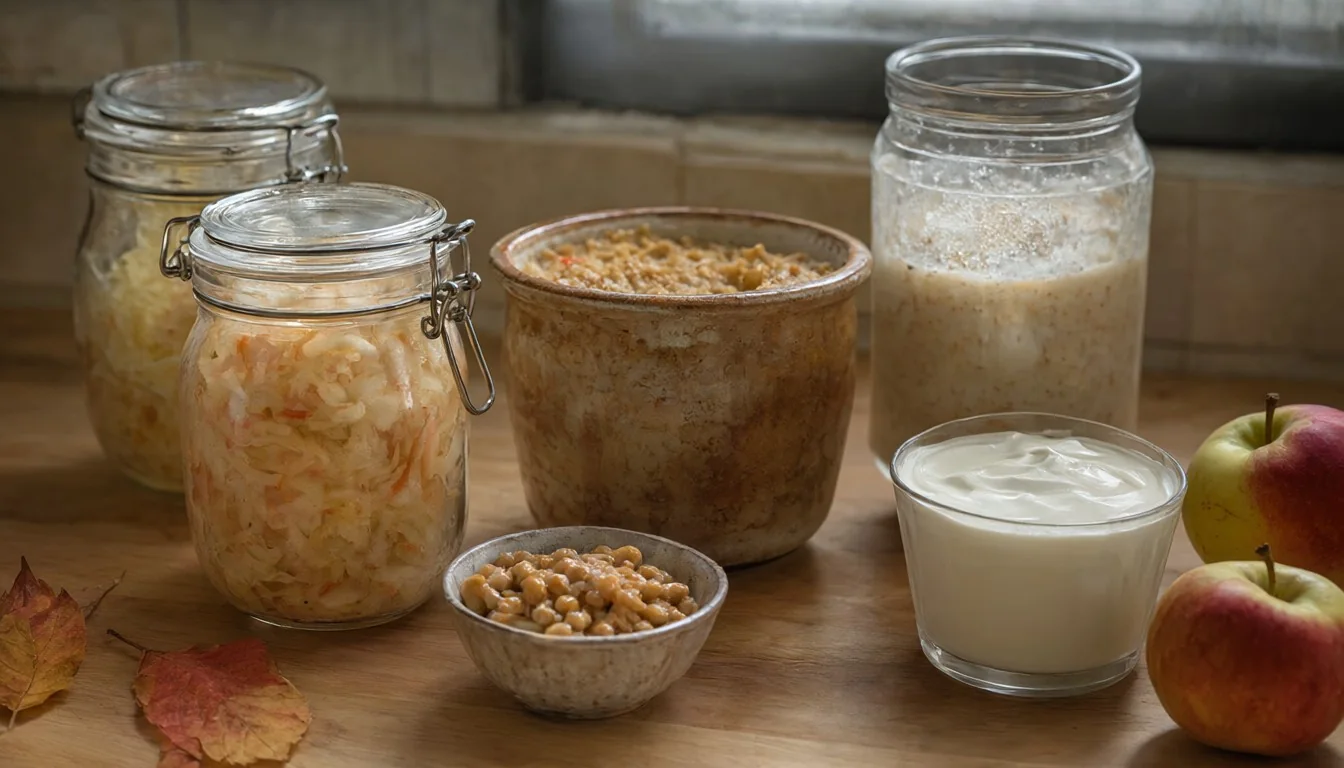
Autumn is my favorite season for fermenting. The kitchen cools off and the jars take their time, so this is when I start miso and the long batches of sauerkraut. Every year I tape a note to the inside of the cupboard door with what goes in which jar. This year I wanted something else on that note too: which of the foods I make get along with the supplements in the same cupboard, and which don’t. I keep half-remembering these from labels and papers, so I wrote them down properly.
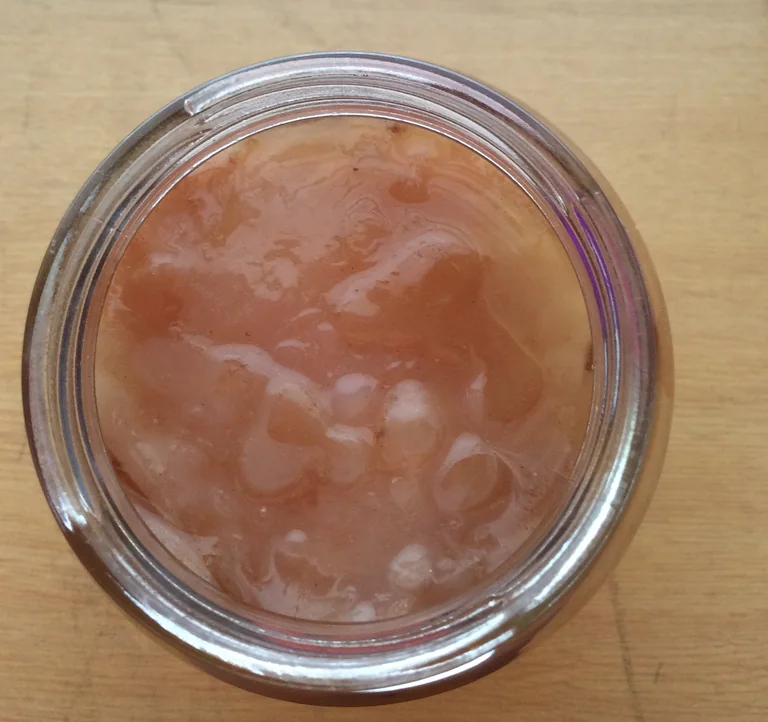
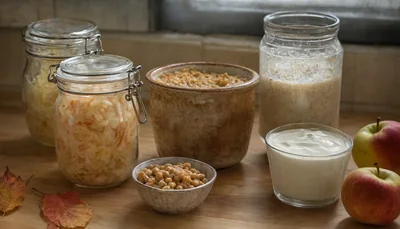
First, why I bother with all these jars. There are more living things in my fridge than in my garden. Fermentation does a few useful things to food. The microbes break down compounds that get in the way of minerals, they eat some of the lactose in milk, and some of them make vitamins that weren’t there before. Natto, for example, gets its vitamin K2 from the bacteria that ferment it.
The part I like best is about the gut. In a 2021 study at Stanford, 36 healthy adults were split into two groups. Half added more fermented food to their meals for ten weeks: yogurt, kefir, kimchi, kombucha and the like. Their gut microbes became more varied, and 19 of the 93 inflammation-related proteins measured in their blood went down. The other half ate more fiber instead, and their gut variety didn’t change in those ten weeks. One study, small, but it is the kind of result that keeps me filling jars.
To be fair to the jars, not every fermented food still has live microbes in it. Bread is baked, store sauerkraut is often pasteurized, and most beer has none left by the time it is bottled. And miso, soy sauce and kimchi bring a lot of salt. Fermented doesn’t make a food healthy on its own, but it’s a good start.
So, on to how these foods get along with supplements.
Beans and whole grains
Beans and whole grains contain phytate, a compound that grabs on to iron and zinc and keeps your body from absorbing them. Phytate is the clingy friend at the party. It holds on to your iron and zinc and won’t let them leave with you. Just 5 to 10 mg of phytate can cut the iron you absorb from plant foods in half. Fermenting, soaking and leavening break phytate down. In a rat study, sourdough bread lost 71% of its phytate, while ordinary yeast bread lost 52%, and the rats absorbed more iron, zinc and magnesium from the sourdough. So miso, tempeh and sourdough give you more of the minerals that are already in them. The sourdough starter in my fridge, which I’ve kept alive longer than most of my houseplants, turns out to be doing real work. It also means a zinc or iron pill is better taken away from a big bowl of unsoaked beans or bran.
Sauerkraut and kimchi
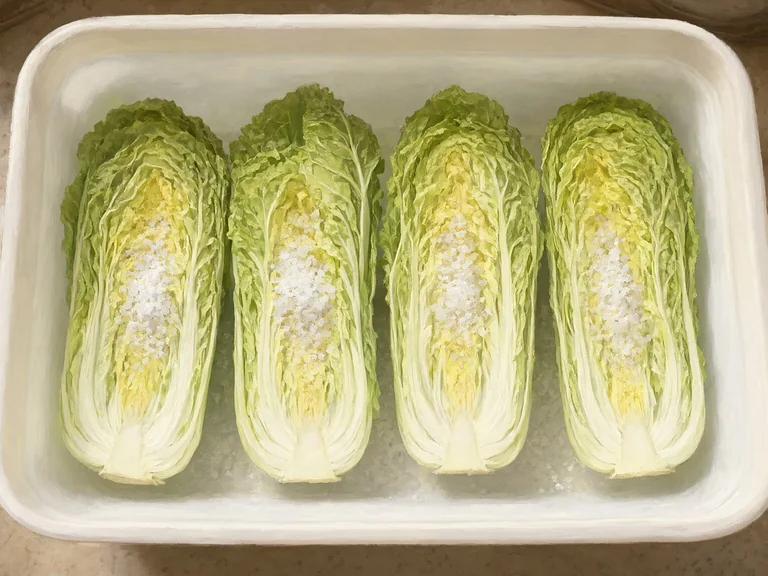
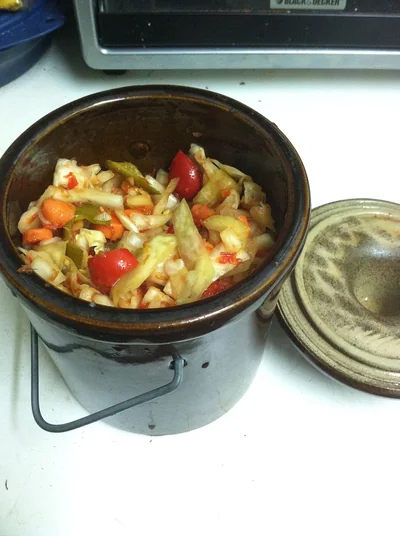
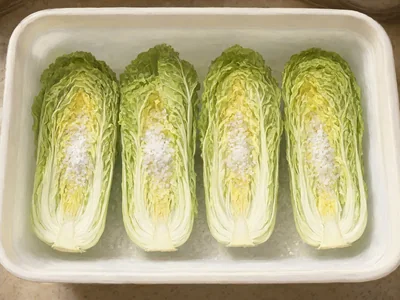
Sauerkraut and kimchi help in a different way. In a study with human volunteers, adding lactic-fermented vegetables to a meal raised how much iron people absorbed from that meal. The researchers think fermentation changes the iron into a form the gut takes up more easily. So if I were taking an iron pill, a lunch with sauerkraut on the side would be a better home for it than a cup of tea. I had sauerkraut down as a hot dog topping. All this time it was looking after my iron.
Natto
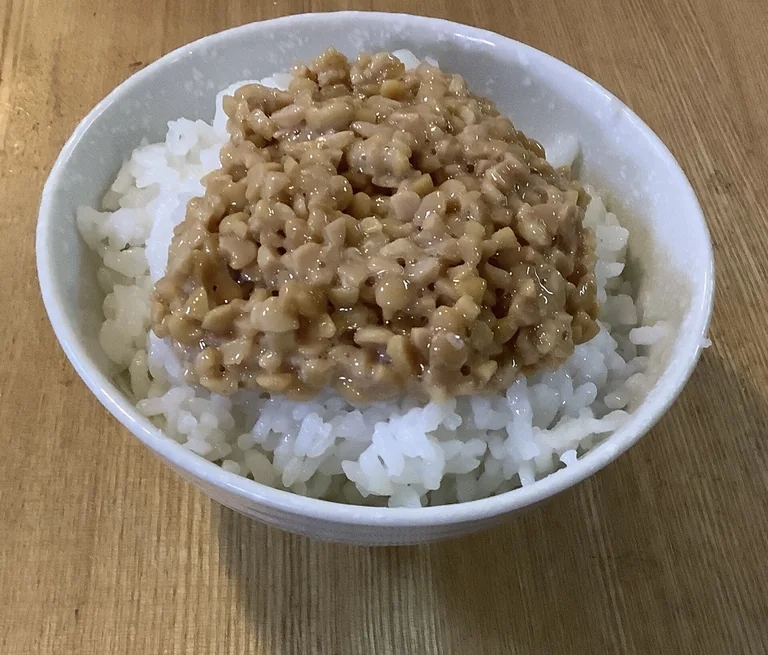
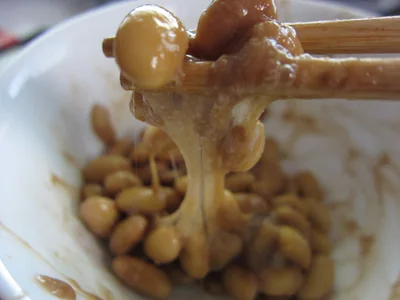
Natto goes the other way. It is the richest food source of vitamin K2, and also of strong opinions at the breakfast table. It has roughly 775 to 1,000 mcg of K2 in 100 g, which is several times the daily adequate intake in a single pack. If you eat natto most days, a K2 pill adds nothing. And if you take warfarin or a similar blood thinner, this matters. In one study of volunteers on a blood thinner, just 10 mcg a day of the same K2 changed their clotting tests enough to matter in at least 4 out of 10 people, and 20 mcg did so in at least 6 out of 10. Talk to your doctor before natto becomes a habit.
Yogurt and kefir
Yogurt and kefir lose some of their lactose to the bacteria while they ferment, which is why many people who can’t drink milk do fine with them. A cup of plain yogurt has roughly 275 to 415 mg of calcium, depending on the kind. Two things follow. Your body absorbs calcium best at 500 mg or less at a time, so a calcium pill belongs at a different meal from the yogurt. And calcium blocks iron, so the iron pill should stay away from the yogurt too.
Vitamin D is the opposite. It needs a little fat to be absorbed, and in one study it reached a 32% higher peak when taken with a meal that had fat, so a whole-milk yogurt is a good place for it.
Miso and soy sauce
Miso and soy sauce bring a lot of salt, and salt carries calcium out with it. For every gram of sodium your body gets rid of, about 26 mg of calcium leaves with it. One bowl of miso soup isn’t a problem, but it is worth knowing if you are watching your bones.
Kombucha, tea and coffee
Kombucha is made from tea, and tea and coffee both carry polyphenols that block plant iron. The timing matters more than I expected. In a 1983 study, coffee with a meal cut iron absorption by 39%. Coffee an hour before the meal made no difference. Coffee an hour after did the same damage as drinking it with the meal. So I have my coffee first now.
Tempeh, miso and vitamin B12


One belief I had to let go of: tempeh and miso aren’t reliable sources of vitamin B12. Tempeh can carry some, but how much depends on the bacteria that happened to be in the batch, and other fermented soy foods carry only traces. Anyone who eats no animal foods still needs B12 from a supplement or a fortified food.
Below are the charts for the cupboard door.
Fermented foods and supplements
| food | goes well with | keep apart from | why |
|---|---|---|---|
| sauerkraut, kimchi | iron pill | lactic-fermented vegetables raised iron absorption from the meal | |
| miso, tempeh, sourdough | iron and zinc in the food itself | fermenting breaks down phytate | |
| unsoaked beans, bran | zinc or iron pill | phytate holds on to the minerals | |
| natto | K2 pill (not needed), blood thinners (ask a doctor) | very high in vitamin K2 | |
| yogurt, kefir | vitamin D pill | calcium pill, iron pill | D needs fat; the yogurt already brings calcium, and calcium blocks iron |
| miso soup, soy sauce | large amounts when watching bones | salt carries calcium out | |
| kombucha, tea, coffee | iron pill (have coffee an hour before) | polyphenols block plant iron | |
| tempeh, miso | a real B12 source | not a reliable source of B12 |
Supplements that compete
| pair | what happens | what I do |
|---|---|---|
| calcium and iron | calcium lowers the iron absorbed from that meal | 2 hours apart |
| iron and zinc | 25 mg or more of iron with zinc on an empty stomach lowers zinc absorption | apart, or with food |
| zinc and copper | 50 mg of zinc a day or more for weeks can leave you short on copper; the US limit of 40 mg was set on this | under 40 mg from everything combined |
| high-dose vitamin E and vitamin K | 1,000 IU of E a day weakened K’s work on clotting | no big doses of E |
| folic acid and B12 | more than 1,000 mcg of folic acid can hide a B12 deficiency | under 1,000 mcg |
| beta-carotene and lutein | compete for absorption | not both in big doses |
Supplements that help each other
| pair | why |
|---|---|
| vitamin D and calcium | calcium needs D to be absorbed |
| magnesium and vitamin D | magnesium is needed to activate D; in one trial it raised D levels near 30 ng/mL and lowered higher ones |
| vitamin C and plant iron | C raises the iron absorbed from the same meal |
| vitamin C and vitamin E | C restores E after E has done its job |
| iodine and selenium | both needed for thyroid hormone; if both are low, iodine comes first |
| turmeric and black pepper | pepper raises curcumin absorption about 20 times, and can raise some drug levels too |
| vitamins A, D, E, K and fish oil, with a little fat | they need fat to be absorbed |
Where women and men differ (adults 19 to 50, US)
| women | men | note | |
|---|---|---|---|
| iron | 18 mg | 8 mg | men, and women after menopause, should not take iron without a blood test |
| zinc | 8 mg | 11 mg | |
| magnesium | 310 to 320 mg | 400 to 420 mg | |
| vitamin A | 700 mcg | 900 mcg | |
| vitamin C | 75 mg | 90 mg | smokers add 35 mg |
| vitamin K | 90 mcg | 120 mcg |
All those good microbes, and one heavy night of drinking can knock down part of what you built. The only thing left is the brief joy of watching your own tower fall.
Sources
- Wastyk HC, et al. Gut-microbiota-targeted diets modulate human immune status. Cell. 2021;184(16):4137-4153. pmc.ncbi.nlm.nih.gov
- Marco ML, et al. The International Scientific Association for Probiotics and Prebiotics (ISAPP) consensus statement on fermented foods. Nat Rev Gastroenterol Hepatol. 2021;18(3):196-208. pmc.ncbi.nlm.nih.gov
- Scheers N, et al. Increased iron bioavailability from lactic-fermented vegetables is likely an effect of promoting the formation of ferric iron (Fe3+). Eur J Nutr. 2016;55(1):373-382. pmc.ncbi.nlm.nih.gov
- Lopez HW, et al. Making bread with sourdough improves mineral bioavailability from reconstituted whole wheat flour in rats. Nutrition. 2003;19(6):524-530.
- Tsukamoto Y, et al. Intake of fermented soybean (natto) increases circulating vitamin K2 (menaquinone-7) and gamma-carboxylated osteocalcin concentration in normal individuals. J Bone Miner Metab. 2000;18(4):216-222.
- Theuwissen E, et al. Effect of low-dose supplements of menaquinone-7 (vitamin K2) on the stability of oral anticoagulant treatment: dose-response relationship in healthy volunteers. J Thromb Haemost. 2013;11(6):1085-1092.
- Morck TA, Lynch SR, Cook JD. Inhibition of food iron absorption by coffee. Am J Clin Nutr. 1983;37(3):416-420.
- Dawson-Hughes B, et al. Dietary fat increases vitamin D-3 absorption. J Acad Nutr Diet. 2015;115(2):225-230.
- Yadrick MK, Kenney MA, Winterfeldt EA. Iron, copper, and zinc status: response to supplementation with zinc or zinc and iron in adult females. Am J Clin Nutr. 1989;49(1):145-150.
- Dai Q, et al. Magnesium status and supplementation influence vitamin D status and metabolism. Am J Clin Nutr. 2018;108(6):1249-1258.
- Watanabe F, et al. Vitamin B12-containing plant food sources for vegetarians. Nutrients. 2014;6(5):1861-1873. pmc.ncbi.nlm.nih.gov
- Bala S, et al. Acute binge drinking increases serum endotoxin and bacterial DNA levels in healthy individuals. PLoS One. 2014;9(5):e96864. doi.org
- Shoba G, et al. Influence of piperine on the pharmacokinetics of curcumin in animals and human volunteers. Planta Med. 1998;64(4):353-356.
- Institute of Medicine. Dietary Reference Intakes for Vitamin A, Vitamin K, Arsenic, Boron, Chromium, Copper, Iodine, Iron, Manganese, Molybdenum, Nickel, Silicon, Vanadium, and Zinc. National Academies Press; 2001. nap.nationalacademies.org
- NIH Office of Dietary Supplements, fact sheets: calcium, iron, zinc, copper, magnesium, folate, vitamin B12, vitamin K. ods.od.nih.gov
- Linus Pauling Institute, Micronutrient Information Center, Oregon State University. lpi.oregonstate.edu