



Short version: twelve batches of natto since May, each held at a different temperature. 34 C gave weak strings. 48 C gave ammonia. 38 to 43 C were all good and 41 C was the best.
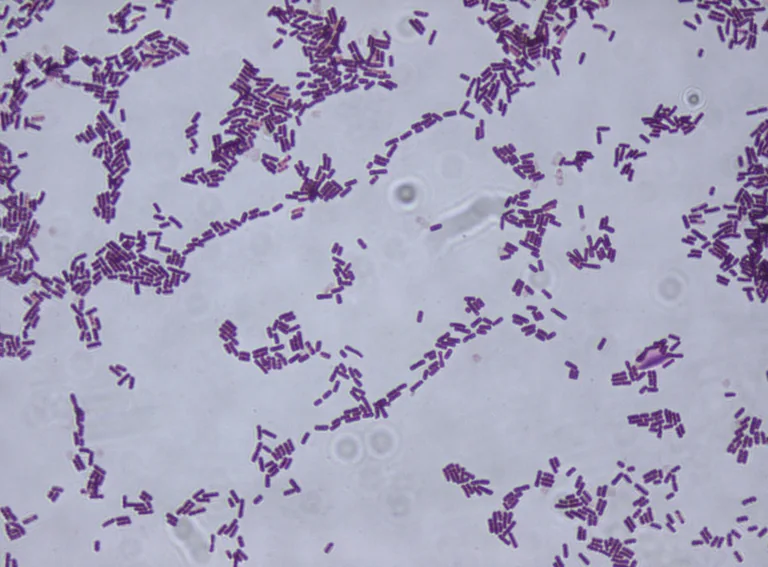
Natto is cooked soybeans fermented with a bacterium until they turn sticky and stringy. Setup, unchanged all summer: a cooler, a seedling heat mat, a probe thermometer, the same bag of soybeans, the same spore powder. Only the temperature changed. Log copied from the notebook:
- The batch held at 34 C: strings weak, smell flat.
- Five batches between 38 and 43 C: all fine. The one at 41 C was the best of the summer, strong strings, clean smell.
- The batch that drifted to 48 C overnight, because the mat has no thermostat: sharp ammonia smell, beans soft in a way I did not like.
- Two more at 40 to 41 C: fine again.
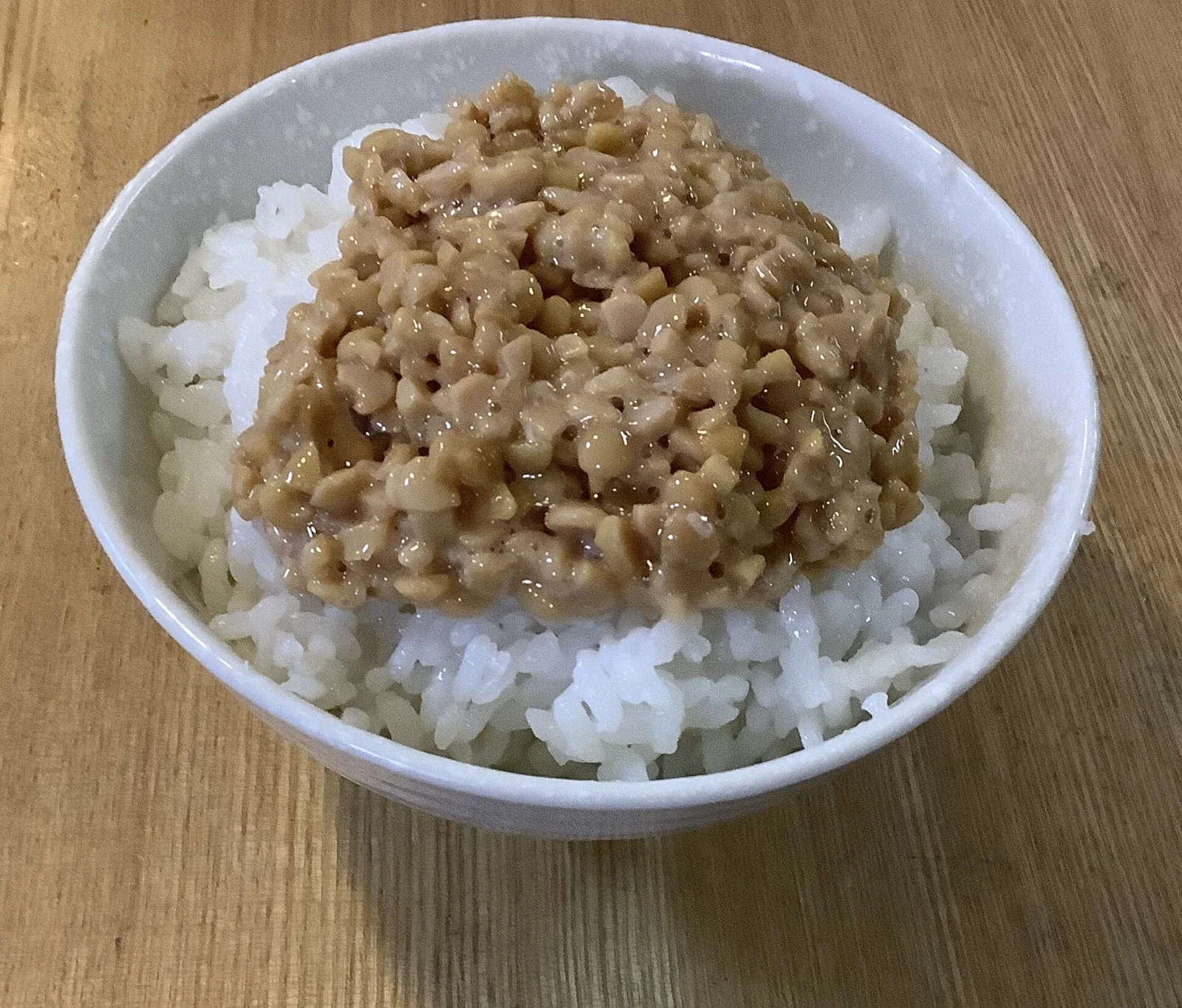
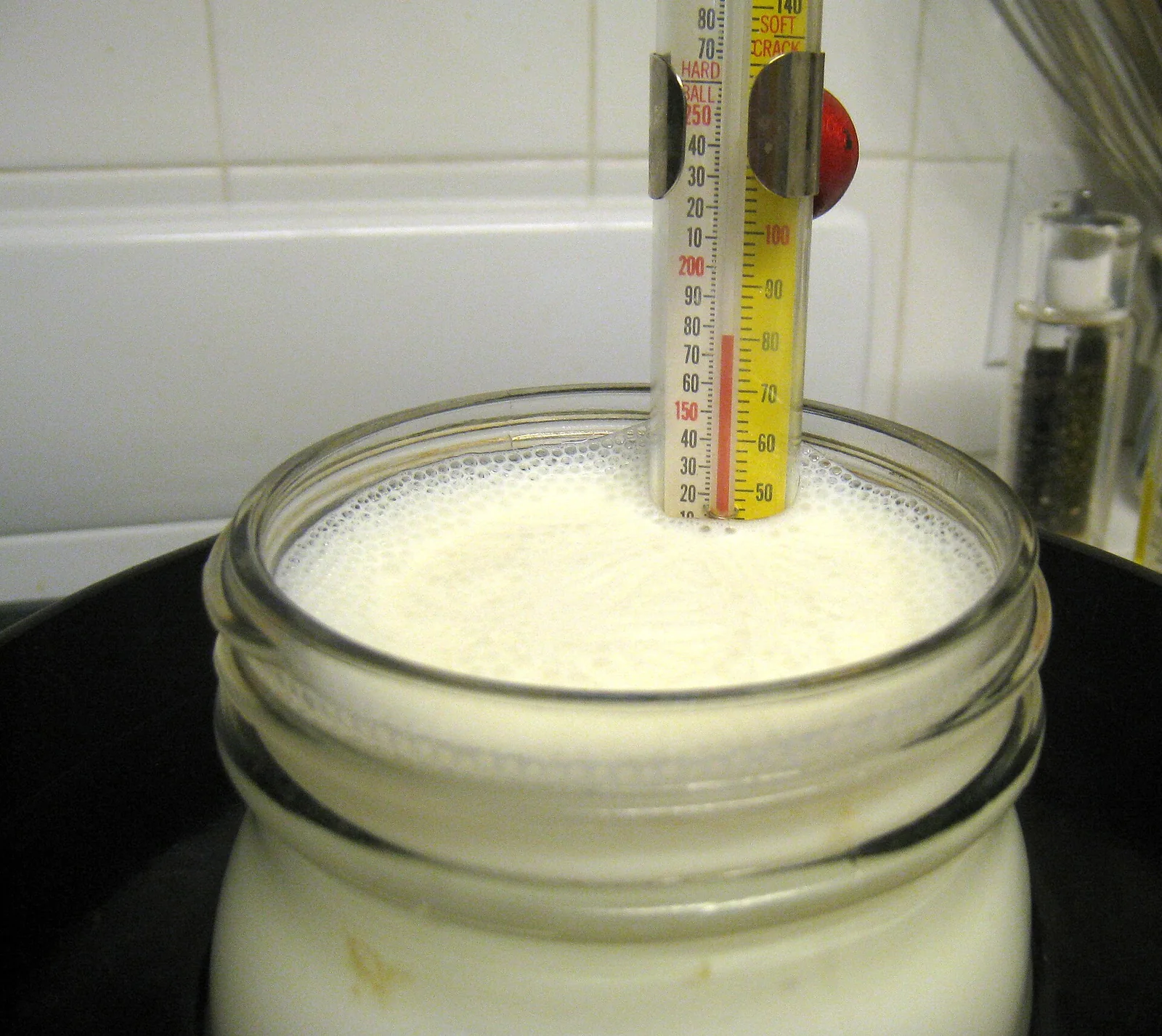
The guide’s window is 37 to 45 C. My log agrees, and it adds the edges: four degrees below the window and the batch is weak, three above and it smells of ammonia.



My notes, two things I did not expect. The strings are not the enzyme. The stringy part is a polymer the bacteria make, and the 48 C batch was stringy and still smelled wrong. And cooling matters as much as heating. A batch left on the counter for an afternoon kept changing, and a day in the fridge before eating made every batch taste rounder.
I am not turning any of this into a health claim. I cannot measure what is in the beans. What I can say from twelve batches is that a few degrees either way changes the food, with a whole living culture doing the work and correcting itself. A purified enzyme in a capsule has no culture around it to correct anything.
Still open: whether the ammonia at 48 C means the enzymes were destroyed or just that the bacteria overworked. Different problem, same smell, and I cannot tell which.