



Short version: 375 U and 70 IU on the same label are two measurements from two different tests. Without the test name, the numbers cannot be compared with each other.
The question I had been avoiding: when a label says “375 U” of one enzyme and “70 IU” of another, is the first one five times stronger? I pulled a label from the NIH Dietary Supplement Label Database to look at it properly.
Read: the Youthxym label, DSLD record 336290. The Supplement Facts panel lists “Superoxide Dismutase (fermented) 375 U,” “Superoxide Dismutase (melon) 70 IU,” and “Catalase 7500 U.” Three enzyme lines, two units, no note on how any of them were measured.
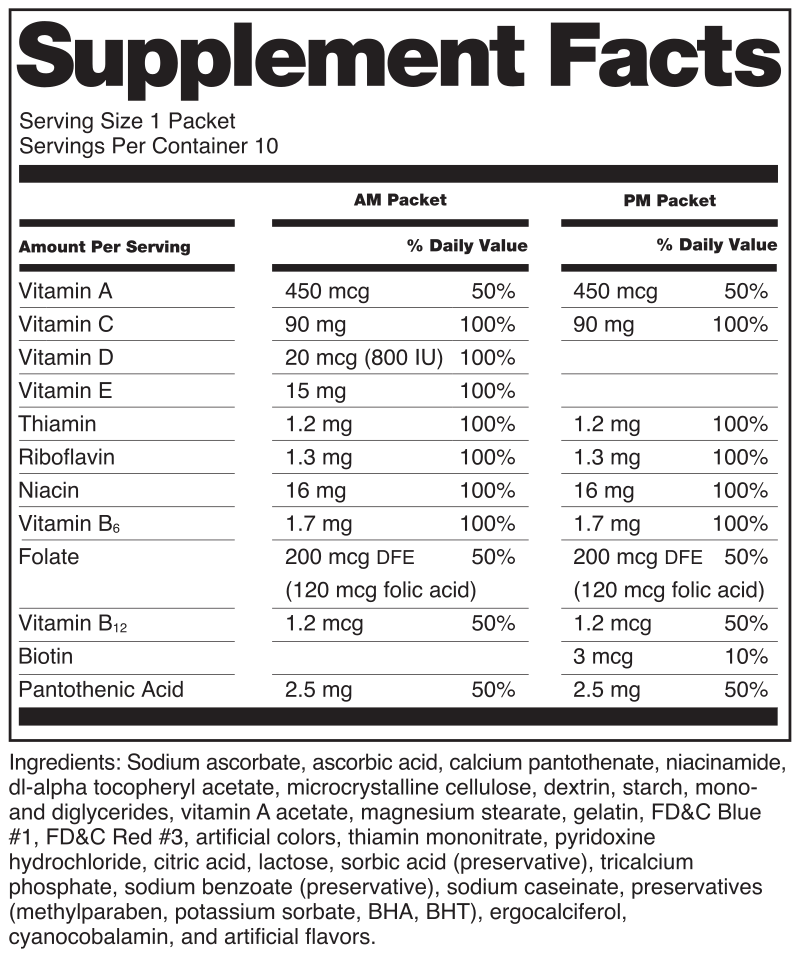
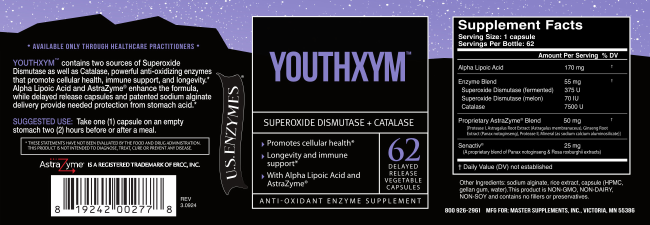
What I pieced together, mostly from the June 1 nattokinase reading. An enzyme unit is a rate: how much of a specific substrate the enzyme converts per minute under stated conditions. Nattokinase is measured in FU against fibrin. Amylase is usually some version of U against starch. SOD is often measured with a test-tube assay that counts how much enzyme halves the rate of a particular reaction. “IU” sometimes means a standardized international unit and sometimes only means the lab used a different assay. Each number means something next to the assay, the lab test, that produced it and nothing next to a number from a different method.

My notes. So the answer to my question is no, and also “nobody can say.” 375 U and 70 IU might be the same amount of enzyme or ten times different. The label does not say and is not required to. What I do now: look for the assay name. If it is there, at least the product can be compared with itself from batch to batch. If it is not, I treat the number the way I treated “rich in enzymes” on the kombucha page.
Still open: whether any SOD label names its assay. I have not seen one yet.