



Short version: nobody reviews the product before sale, the contents still have to match the label, and nobody is required to show that the bottle contains the same material a study used.
After the two Quora readings this month I wanted to pin down the sentence that keeps coming up: in the United States, supplements are regulated as food, not medicine. These are my notes, as far as I could confirm them.
What it does mean. No agency reviews the product before it is sold. Nobody checks that a capsule labeled SOD contains SOD, or the stated amount, or the form used in whatever study the marketing points to.
What it does not mean. Not anything goes. Food rules apply. The contents have to match the label within an allowed variability, about plus or minus ten percent, and the product cannot contain anything not listed. There is a rule. It is enforced after the fact, if at all.
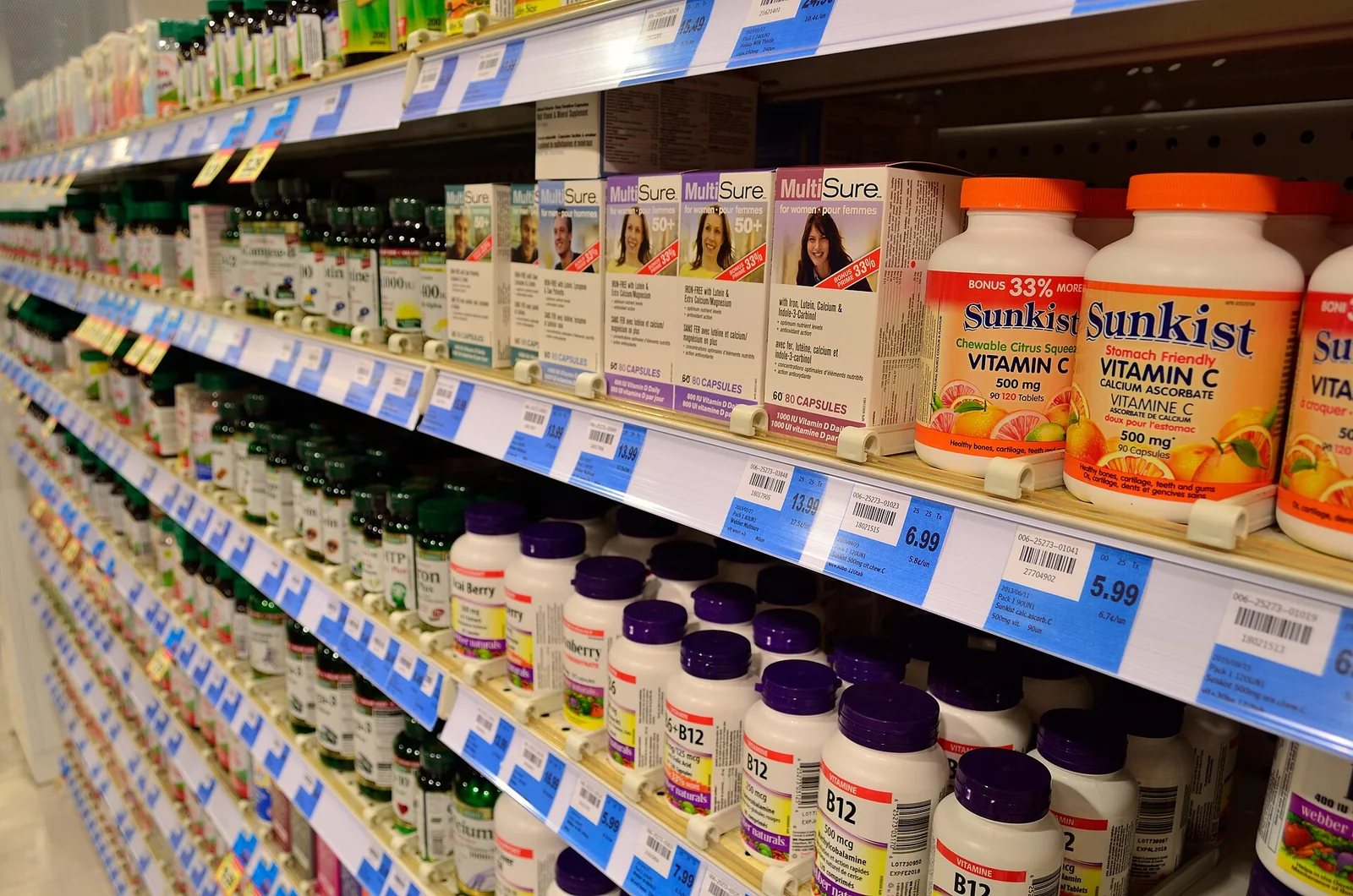
Where the gap is for an enzyme. A study might use a coated, melon-derived SOD at a stated activity. A bottle might say “SOD 250 mg” with a trademark symbol. Same material? Same form, same coating, same activity? The label does not say and does not have to. The research and the product are not required to be the same thing, and nobody has to show that they are.

What people who have been at this longer than I have do about it, in rough order of how often it came up in the forums: buy only products with third-party testing and a traceable lot number, because a logo by itself proves nothing. Prefer brands that publish certificates of analysis, and read them. Check ConsumerLab or Labdoor. And for anything that does not like heat, which includes every enzyme in this notebook, think about the reseller and the shipping as well as the manufacturer.
My notes. None of that shows a product works. It only gets the question back to where the mechanism reading was worth doing.
Still open: whether any SOD brand publishes a certificate of analysis with an activity number on it. Next thing to look for.