

Short version: a few companies grow the microbes and purify the enzyme. Brands buy the powder by the kilo. The difference between brands is what happens after the powder arrives.
Read: a Quora question from mid September on whether it matters if a supplement company makes its own enzyme or buys it. An answer from VitalSign on September 16 laid out the industry in a way I had not seen in one place.
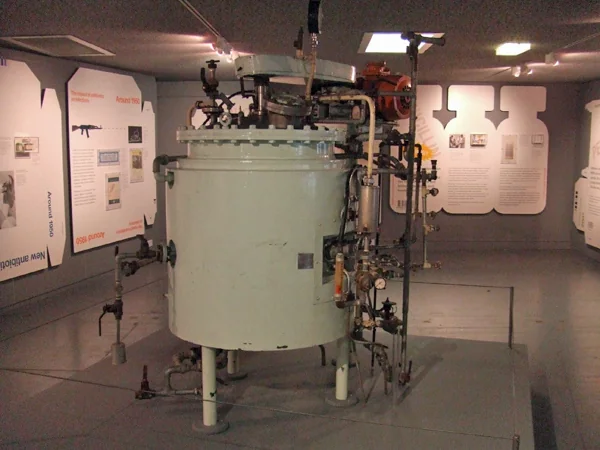
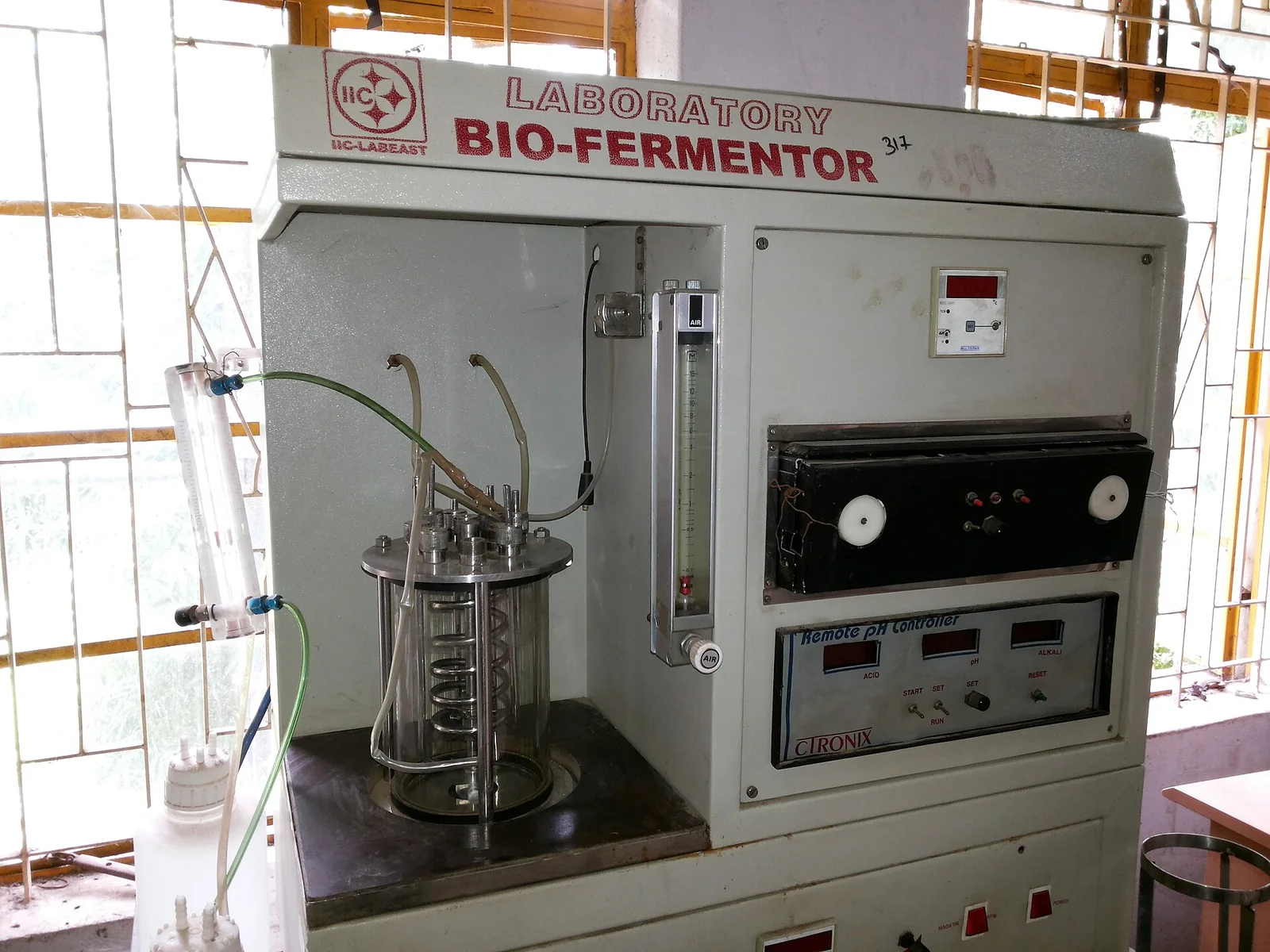
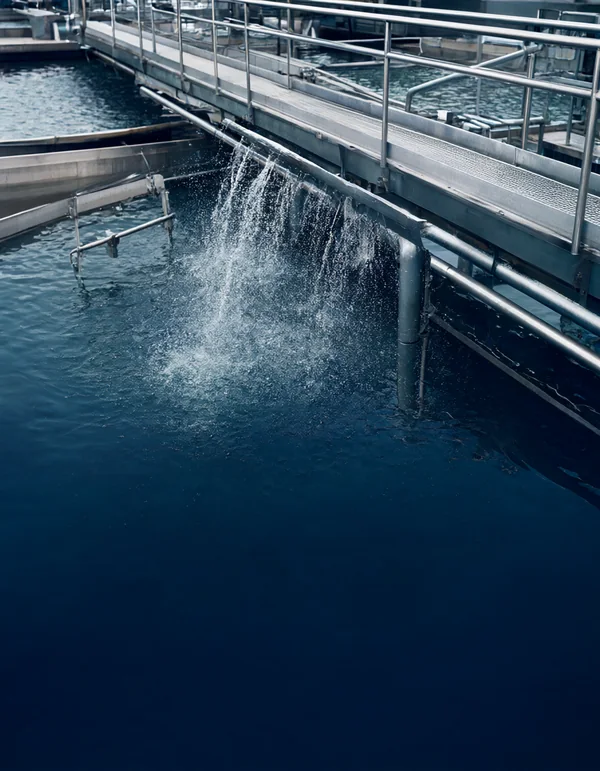
“Almost no supplement brand actually makes its own enzymes,” it begins. Enzymes come from microbes grown in large steel bioreactors, then harvested and purified, and that “requires hundreds of millions of dollars in capital, limiting primary production to a handful of global biotech giants like Novozymes, Amano Enzyme, and IFF.”
Supplement companies are downstream. They buy bulk powder, then formulate, blend and encapsulate. Which means, as the answer says, two competing brands may be buying the same lactase from the same supplier.
Where the difference is, per the answer: after the powder arrives. Blending ratios, dose, the fillers that keep the powder dry, and the delivery. A brand that pays for enteric coating or delayed release is making a different product from one that pours raw powder into a capsule, even from the same drum. The line I copied: “The true differentiator is not who fermented the microbial strain, but who verified that the enzyme remains biologically active by the time it reaches the intestines.”
My notes. This explains something from the September 12 entry, where the chemist said the seller likely does not know whether the enzyme is coated. The seller is often two steps away from the enzyme. “Who made it” is usually unanswerable from the outside. “Who checked that it was still active at the finish line” is a question a serious company should be able to answer, and it is the one I will ask the company I wrote to.
Still open: no reply yet from the company I wrote to on September 12.