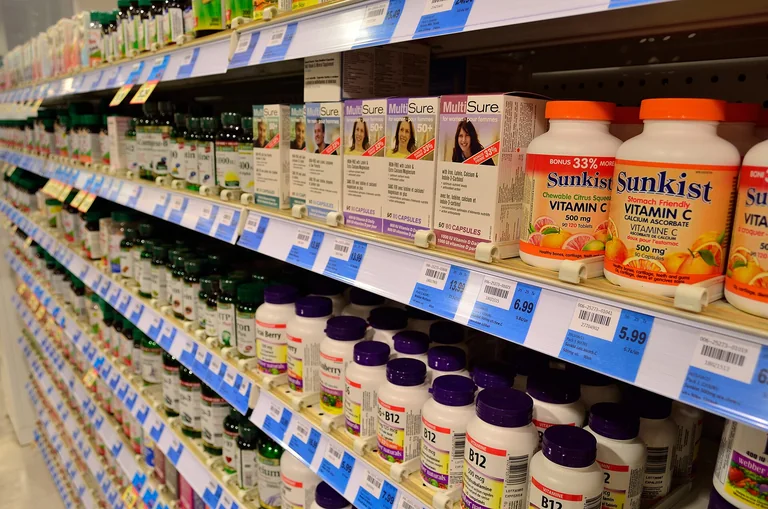





Short version: the bottle does not say, the law does not require it, and the seller often does not know. The only answer is the ingredient specification from the company, if they will send it.
The September 9 open question, asked on Quora in early September by someone else, with three answers within a day.
The first answer explained the legal ground. Under the Dietary Supplement Health and Education Act of 1994, supplements in the United States are regulated as food, not drugs, and “are not required to contain anything they claim to on the bottle.” The writer’s summary of the law: the government “threw open the doors to snake oil vendors.”
The second, from a chemist, answered the question itself. Manufacturers do sometimes encapsulate enzymes to stabilize them, and it sometimes shows in the marketing copy, but there is no obligation to tell the buyer. “You can’t tell and the seller likely has no clue either. Maybe the manufacturer does, but don’t hold your breath.”
The third added something I had not thought of. Microencapsulated enzymes cost about the same as plain ones at the ingredient level, “so they just buy them that way and stir them in.” If that is true it is reassuring and useless at the same time. Reassuring because coating may be more common than I feared. Useless because nothing on the bottle separates a company that bought coated enzyme from one that did not.

My notes. The question has no consumer-side answer. It has a manufacturer-side answer, and the only way to get it is to ask the company for the ingredient specification and see whether they send it. I wrote to one company this week to test that. Will note the result.
Still open: the result.