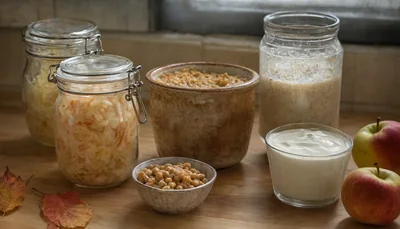



Short version: 67 minutes of people with their hands in crocks, barrels and dough. After a week of reading what a supplement label does and does not say, it was the right thing to watch.
Watched: Fermented, a 2017 documentary directed by Jonathan Cianfrani and produced by Zero Point Zero. The chef and writer Edward Lee travels to meet people who ferment for a living. It premiered at the Seattle International Film Festival in May 2017 and I rented it this week.
Who is in it: Sandor Katz, whose book on wild fermentation has been on my shelf for years. Chad Robertson, the sourdough baker. Stuart Brioza, Dominique Crenn, Nick Floyd of the brewery Three Floyds, Tony Mantuano. And Nancy Singleton Hachisu, who I last saw guiding Samin Nosrat through Japan in the Salt episode I watched in June. Lee goes to Japan too, to people who still make soy sauce and miso the slow way.
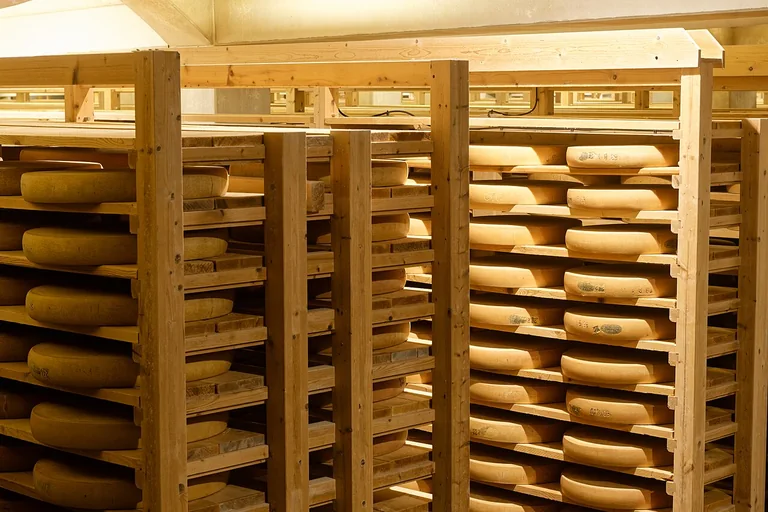
What it covers: kimchi, kombucha, miso and pickles get their own sections. Cheese, bread, beer and charcuterie come in through the chefs. The film’s own description says it is about beautiful rot and asks the viewer to look deeper, get dirty, and find the beauty in it.
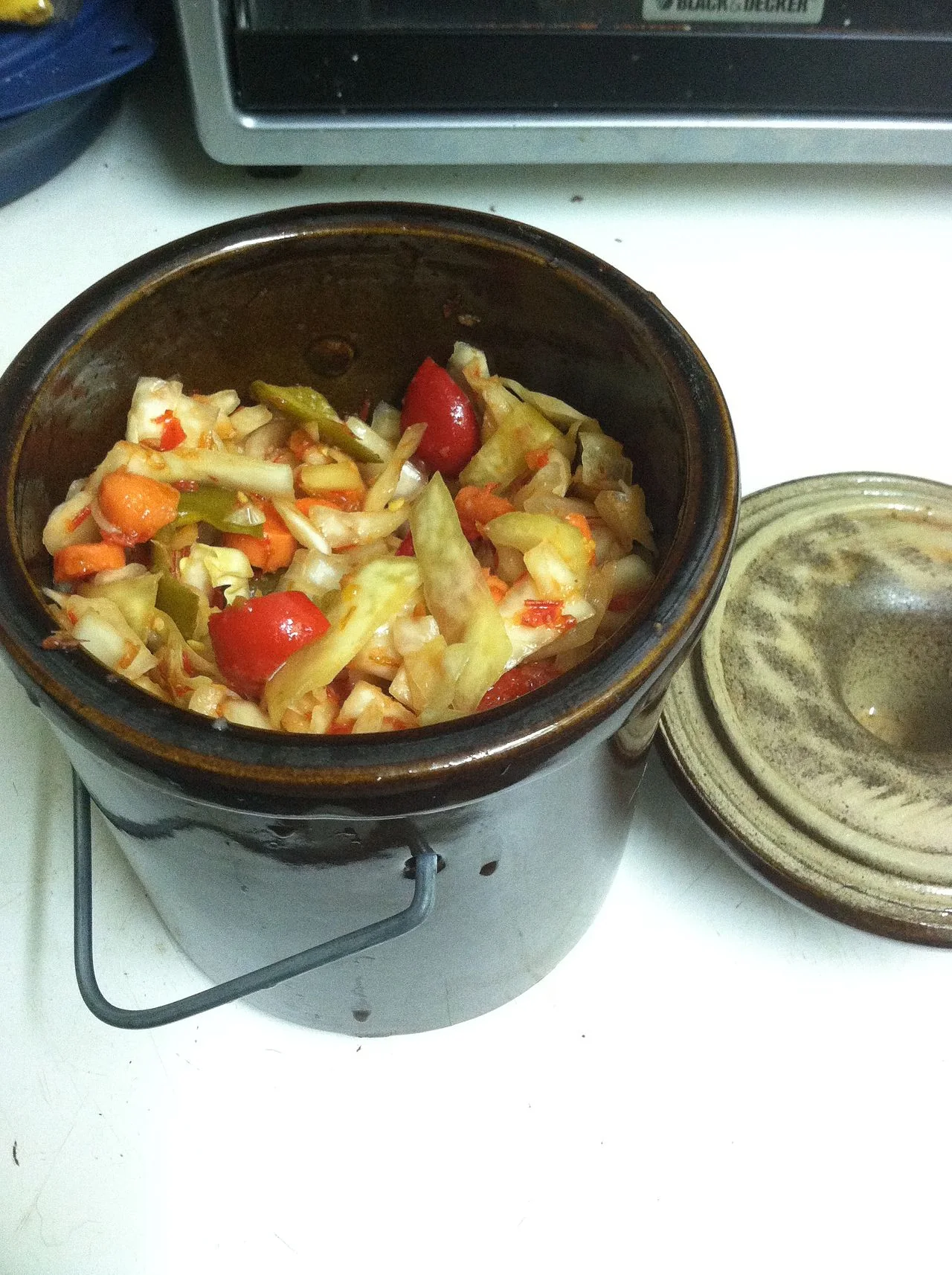



My notes. Since September 8 I have been reading labels: units that do not convert, enzymes in a tablet with minerals, three answers saying a buyer cannot tell whether an enzyme was coated. All of it was about an enzyme as a product, sold by weight or activity, with a date on the bottle. In this film nobody sells an enzyme. The kombucha people are not claiming it is rich in anything, which is the claim I could not pin down on July 10. The miso makers are not claiming a unit. They are making food and the enzymes are in the food because the organisms are. I am not saying that settles anything about capsules. I am saying it reminded me why I started this notebook, which was a batch that went wrong, and that has nothing to do with a label.
Still open: whether there is anywhere between the two, a food that is also measured. The natto paper from June had a number. The natto on my counter does not.