


Rainy evening, no batch to tend, so I watched something instead of reading. Salt Fat Acid Heat is the four-part Netflix series from 2018 with Samin Nosrat, one part for each word in the title. The second part, “Salt,” is set in Japan. Forty-five minutes.
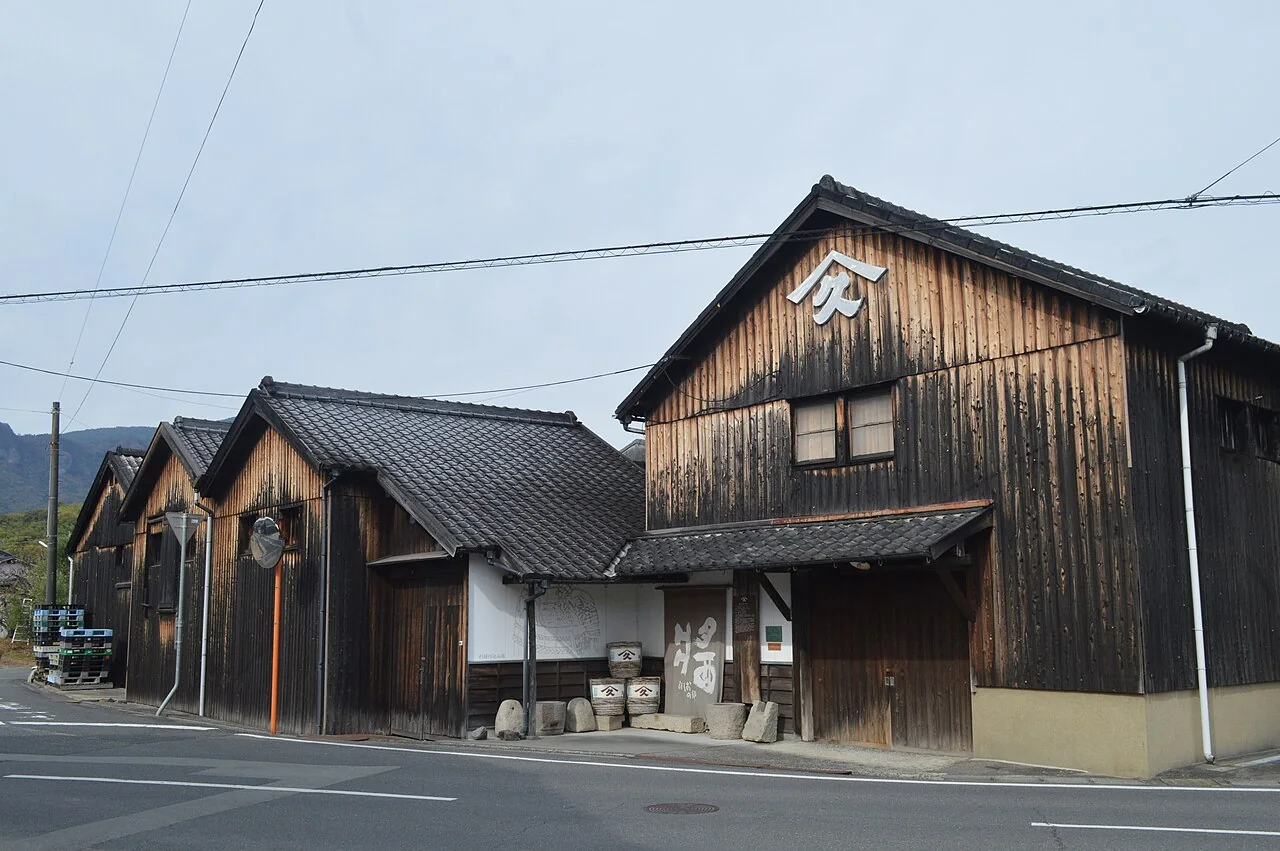
Watched: Nosrat is guided through Japan by Yuri Nomura, who runs a restaurant called Eatrip in Tokyo, and by Nancy Singleton Hachisu, an American who has lived in rural Japan for decades and writes about preserving. They go to a salt farm in Hiroshima, to a maker of organic miso, and to a fifth-generation soy sauce brewer on Shodoshima, an island in the Inland Sea.
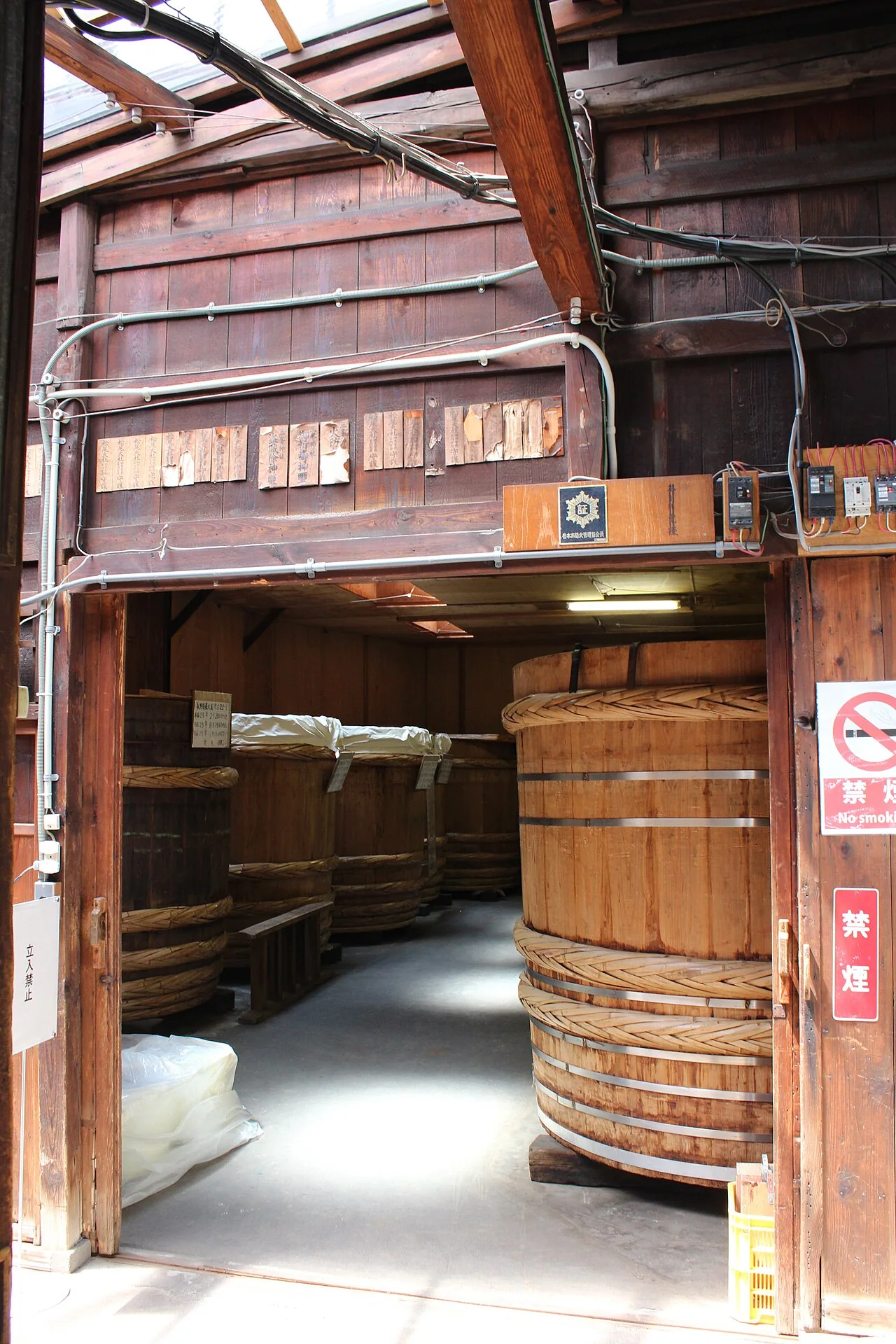
The brewer is Yasuo Yamamoto of Yamaroku. His soy sauce ferments for two years in big wooden barrels called kioke. The episode puts that next to the industrial version, which is done in about three months. Two years against three months, for what the label on both bottles calls soy sauce.
The barrels are the part I did not expect. Yamamoto says that in 2009 he placed an order for a new barrel, and it was the first order the barrel maker had received since the Second World War. Only one company still makes them. His line, as the subtitles had it: the survival of this soy sauce depends on whether the barrel-making continues.


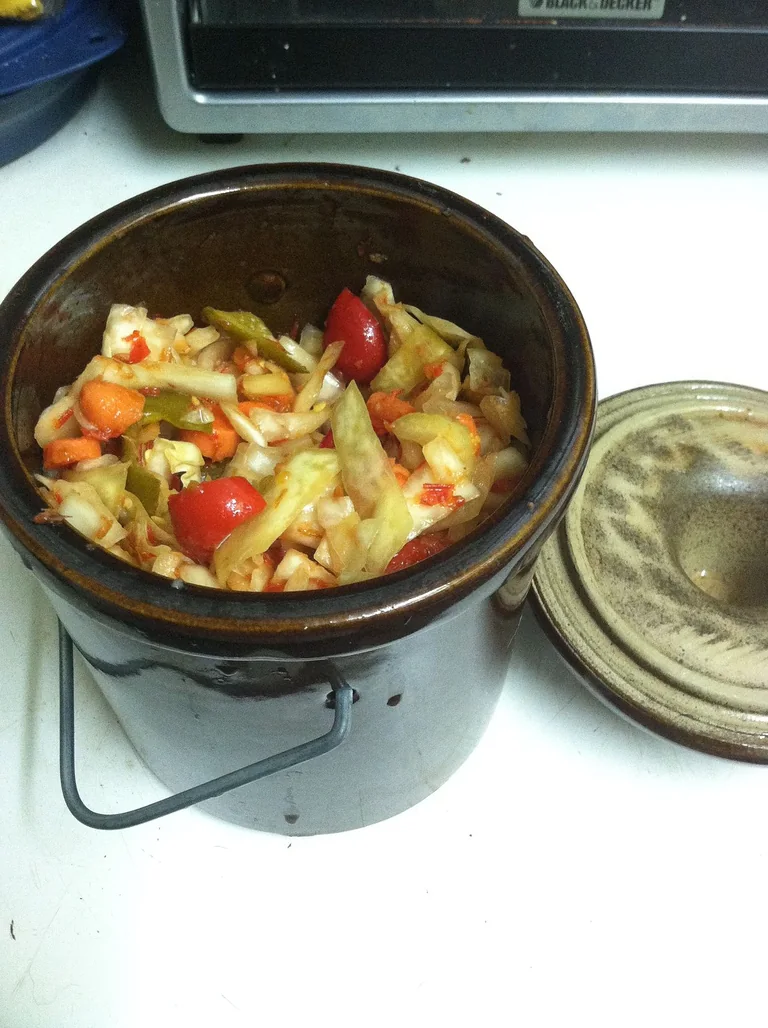
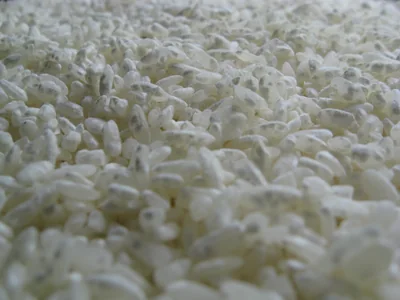
My notes. On May 18 I tasted a three-month miso next to a nine-month one and wrote that the taste was in the slow part. This episode is the same comparison at a different scale: three months against two years. I do not remember anyone in the episode saying the word enzyme, and nobody needed to. The koji goes in, the salt holds everything else back, and the barrel sits. What the two years are doing is what my crock in the basement is doing, with the same molds and more patience.
Still open: what the three-month industrial method does to get there so fast. More heat, more enzyme, or something else. The episode does not say and I have not looked yet.