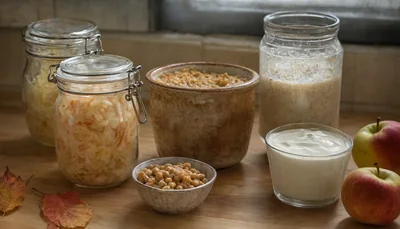


Short version: an hour on fermentation with microbes doing all the work, cheese made by a nun who is also a microbiologist, and nobody counting anything. After two months of reading about enzymes in capsules I needed to see one in a barrel.
Watched: Cooked, the four-part Netflix series Michael Pollan made from his book of the same name. It came out in February 2016. The four parts are Fire, Water, Air and Earth, and Earth is the fermentation episode, 52 minutes.
The person I will remember is Sister Noella Marcellino, a Benedictine nun at the Abbey of Regina Laudis in Bethlehem, Connecticut, who has a doctorate in microbiology. She makes the abbey’s cheese from raw milk the old way, separating curds and whey in a large wooden barrel, and the wheels age in a dark room covered in grey mold. There is a scene of her smelling a wheel up close. Her line, which I wrote down as the subtitles had it: for her, that analogy of a death, a decomposition creating this wonderful flavor, is a promise of something better.
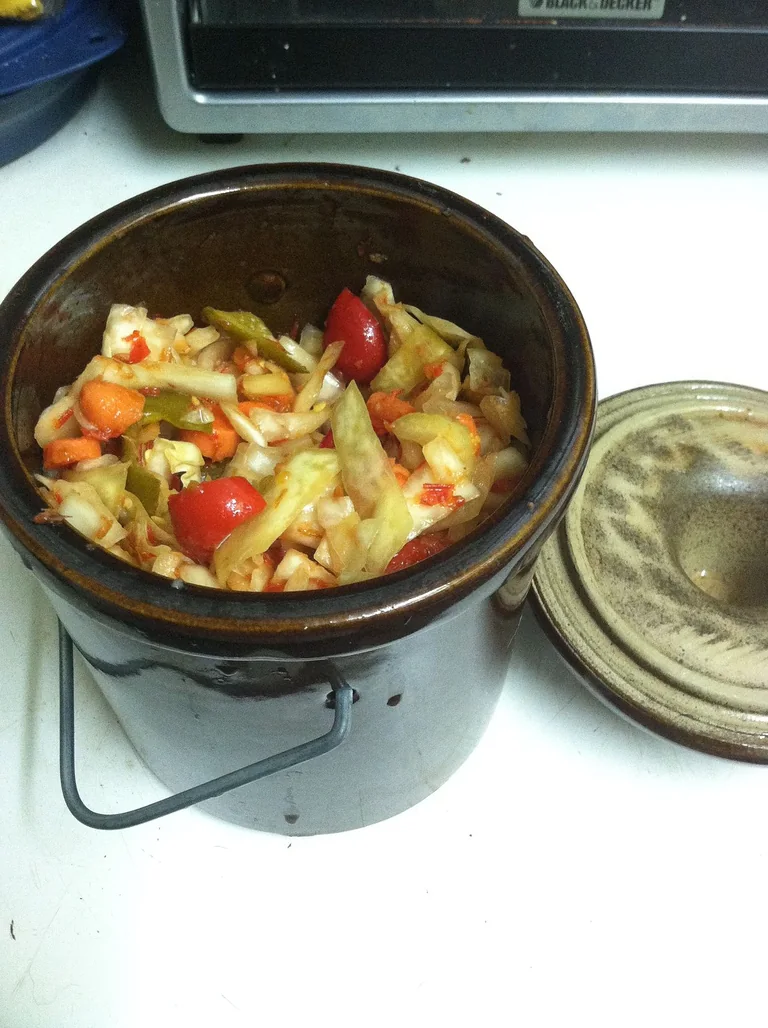
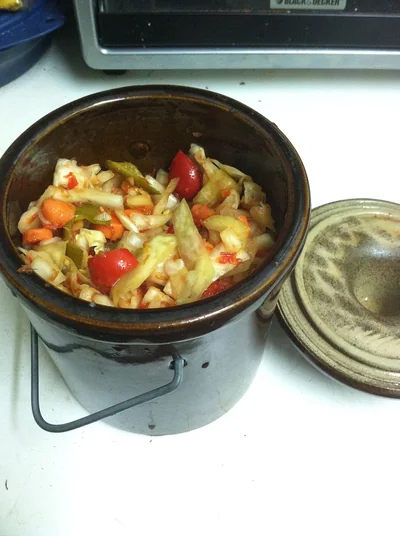
Pollan makes kimchi himself and calls fermentation miraculous. The episode also goes to chocolate, which I had not known was fermented before it is anything else.
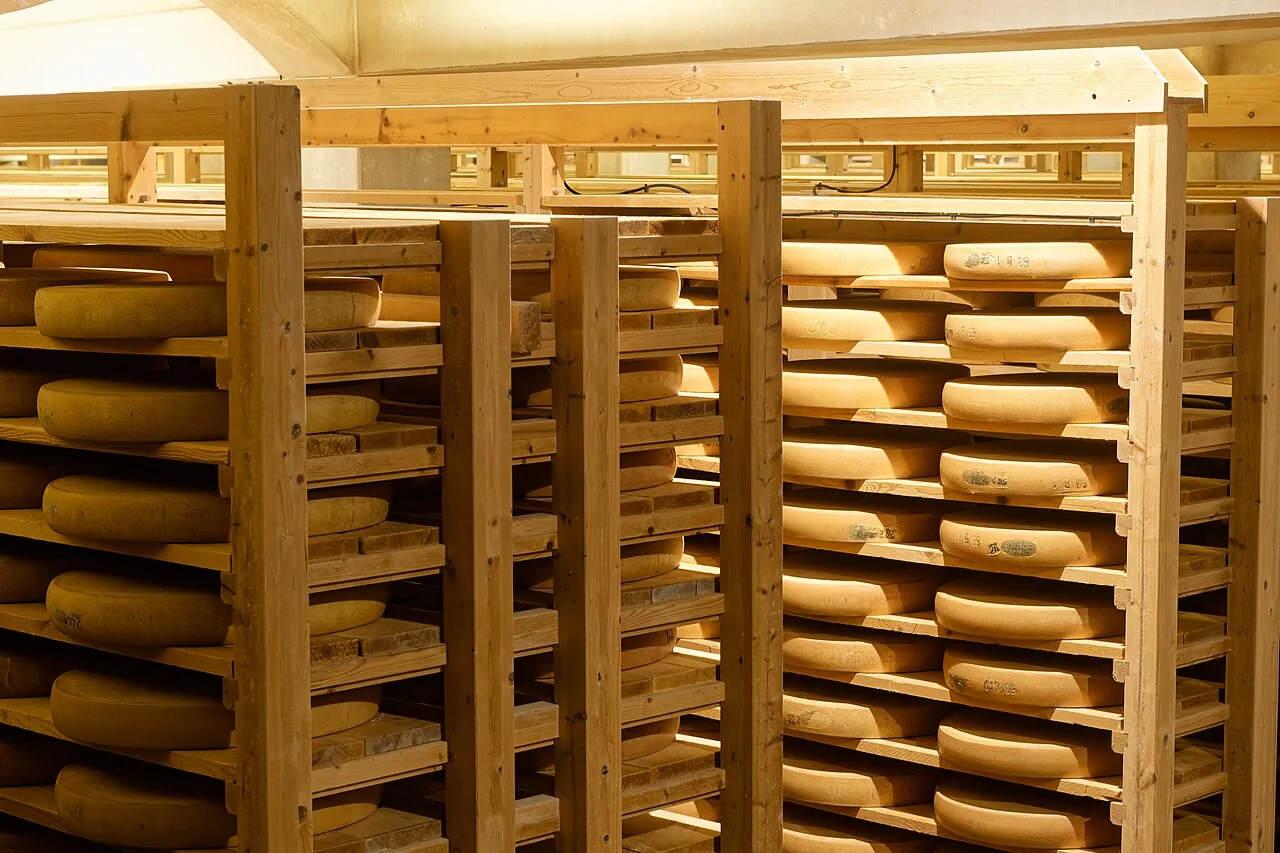

My notes. On April 27 my cheese did not set because I let the milk get too hot for the rennet. Watching a microbiologist pull curds out of a wooden barrel by hand, with no thermometer in the shot, was a small lesson in what twenty years of doing it looks like. The other thing I noticed: I do not remember the word enzyme being said once. The rennet is an enzyme, the ripening is enzymes from the molds and bacteria, and the episode talks about microbes and time and lets the enzymes go without a name. Since June every page I have read has been about an enzyme with a name, a unit and a price. It was good to spend an hour where the enzyme was just there, doing its work in a barrel, and nobody had to prove it.
Still open: how much of the enzyme activity in a raw-milk cheese survives a year of aging. I have not found a number and I am not sure anyone has measured it.