



Short version: remove SOD2 and the mouse dies in about ten days. Remove SOD1 and it grows up normally. The form inside the mitochondria is the one the animal cannot live without.
Read: two papers from Nature Genetics that the 2021 review cited and I finally tracked down.
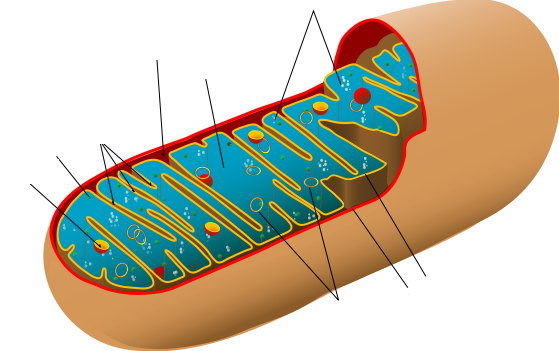
Li and colleagues, 1995. They knocked out SOD2 (bred mice with the gene for it removed), the manganese form inside the mitochondria. The mice died within about ten days: enlarged hearts, fat building up in liver and muscle, metabolic acidosis, and the iron-sulfur enzymes in the energy pathway falling apart.
Reaume and colleagues, 1996. They knocked out SOD1, the copper-zinc form in the cell fluid. The mice developed normally. No obvious motor problems at six months. Problems only showed up after an injury.
Numbers I wrote down: about ten days, versus normal development. Same enzyme family, same reaction, one place versus another.



My notes. So SOD is not one thing you have more or less of. It is three jobs in three places, and the mouse data says the mitochondrial one carries the load. Getting a protein into mitochondria needs a targeting sequence on the protein itself. A capsule does not have one. A melon extract does not have one.
Then I did something I should have done in June. I went through eleven SOD product pages and looked for the words manganese, copper, mitochondrial or cytosolic. None of the eleven said. They all say SOD. The labels treat three enzymes with three addresses as one thing, and leave out the one address the mouse data points at.
Still open: where an oral SOD is supposed to act, if anywhere. The answers I have found so far are about surviving the gut, which is a real question and a different one.