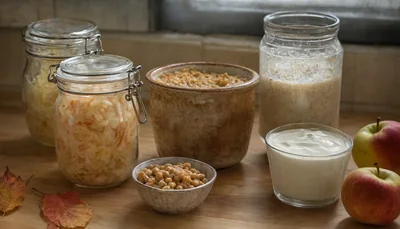



Did the gelatin test I kept reading about. Two bowls of the same gelatin. Fresh pineapple chunks in one, canned pineapple in the other. Fridge overnight.
The canned bowl set normally. The fresh bowl was liquid in the morning, with the chunks sitting at the bottom.
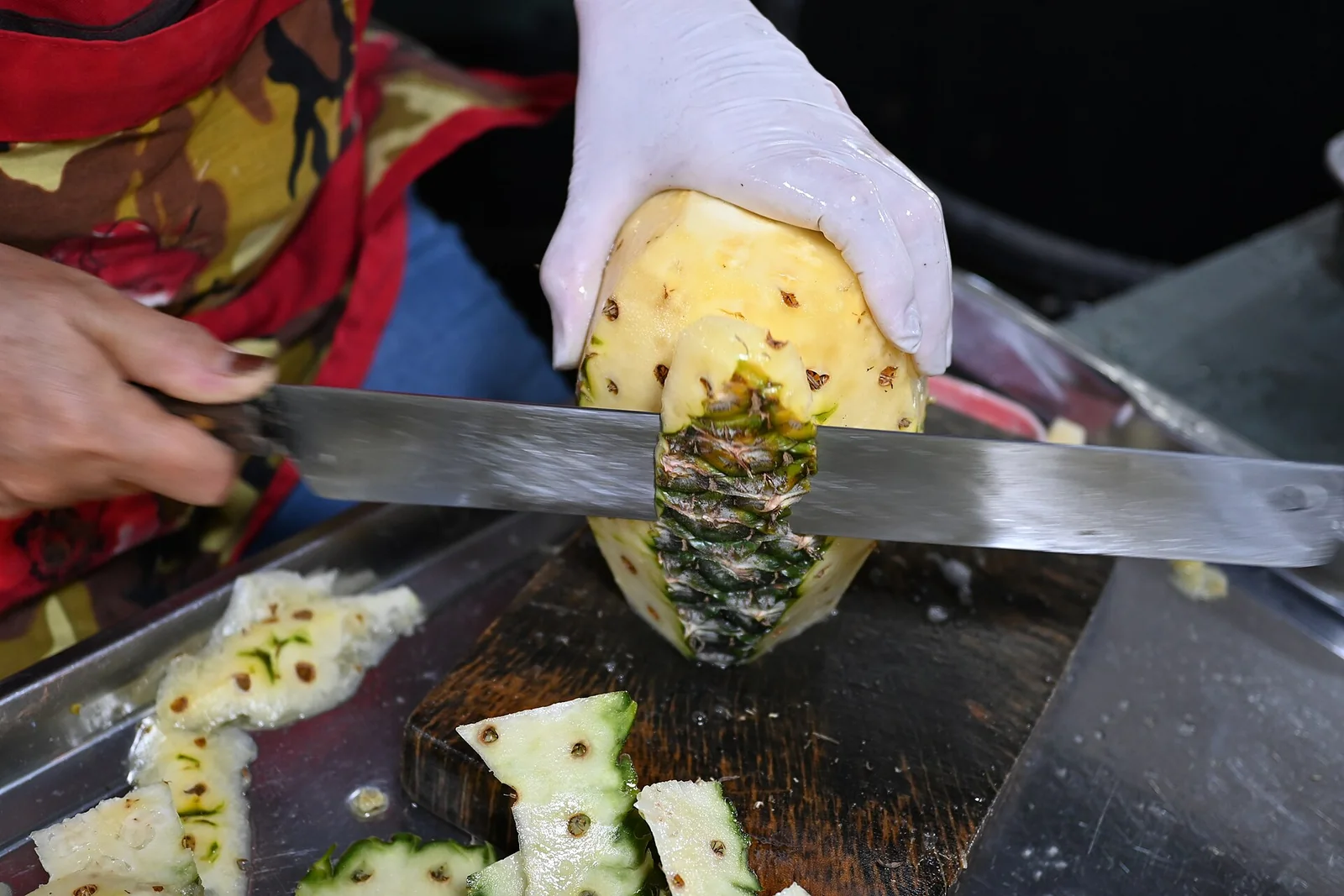
The enzyme is bromelain, a protease. It cuts protein, and gelatin is protein, so in the fresh bowl it cut the gelatin apart before it could set. The Wikipedia entry says why the canned bowl was fine: “cooked or canned pineapple does not have a tenderizing effect, as the enzymes are heat-labile and denatured in the cooking process.” Canning heats the fruit past the point where the enzyme keeps its shape.



Same reason fresh pineapple juice turns the outside of pork soft if it sits too long, and canned juice does not.
What I wrote down: after the mash (April 6) and the rennet (April 27), this is the third time in a month that heat ended an enzyme and nothing brought it back. Flavor survived the can. The enzyme did not.
Still open: how hot, for how long, kills bromelain. The entry says canning does it but does not give the temperature.