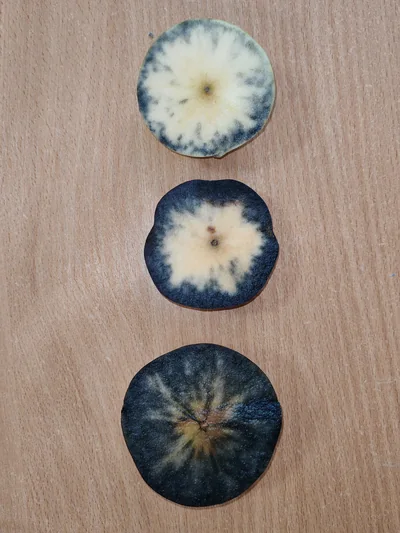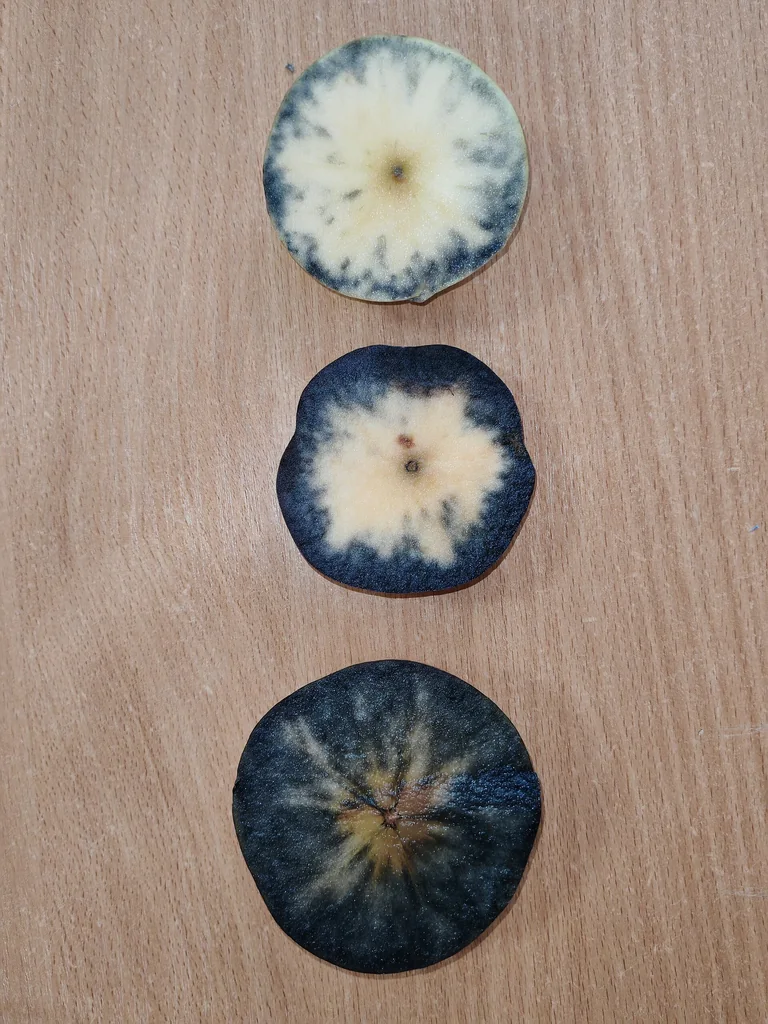




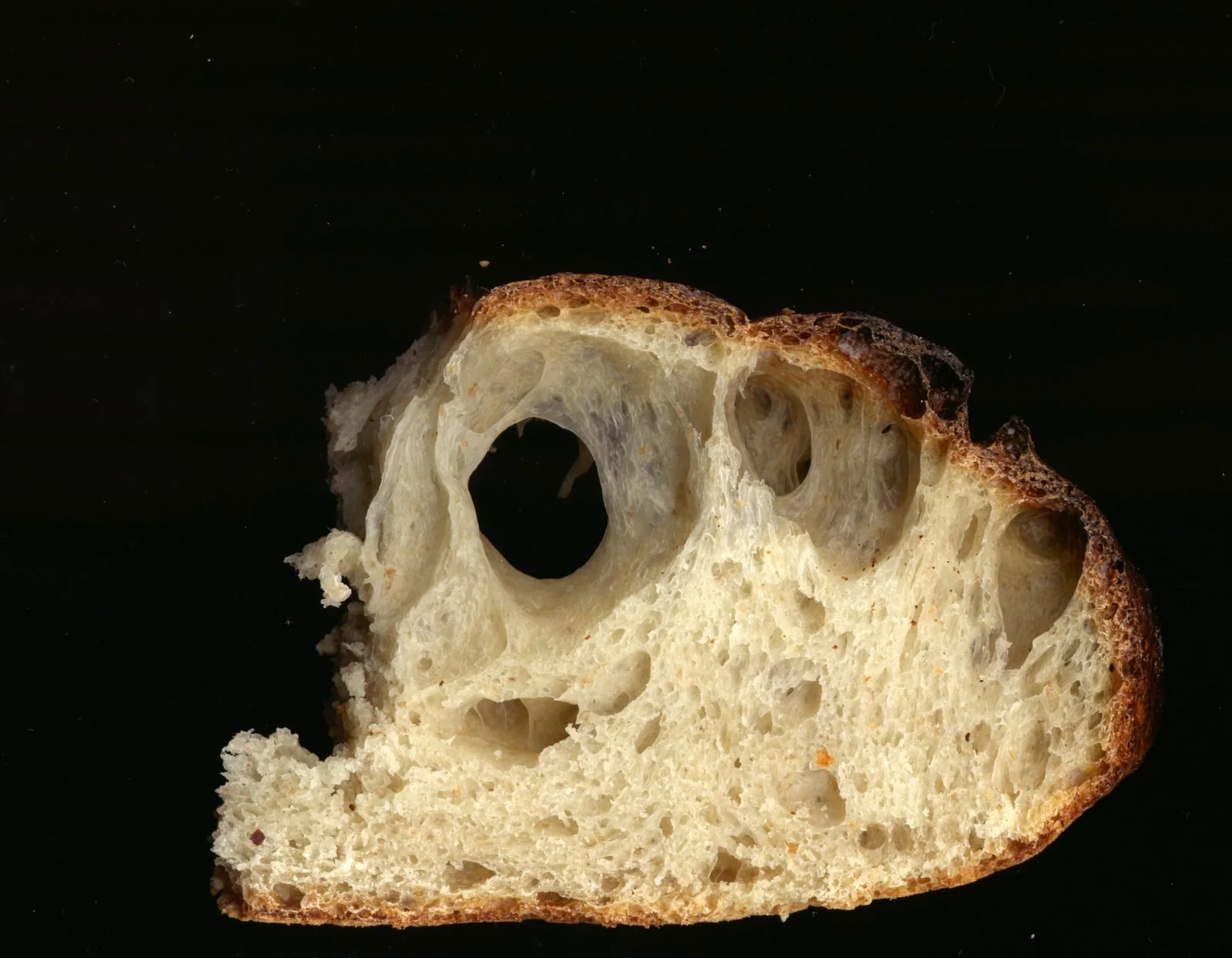
Two loaves this weekend from the same dough, split in half before the malt went in. Diastatic malt is a powder made from sprouted barley; bakers add a little for the enzymes in it. Half got one teaspoon. Half got two. Everything else the same, same oven, same time.
One teaspoon: darker crust, more open crumb than my usual, slightly sweeter. Two teaspoons: the crust was almost burnt at the same bake time and the inside was gummy. Not underbaked. Gummy in a different way, sticky when cut.
The Fresh Loaf had this covered years ago. In a 2018 thread, Joyofgluten wrote that diastatic malt “is produced by germinating grain, barley is most often used, this brings on a massive increase in the enzyme amylase.” The amylase “breaks down starch molecules which frees up fermentable sugars.” Then the warning I should have read first: “A slight overdose of this malt produces an unpleasantly gummy crumb. Larger doses can cause the dough to ripen extremely fast, rendering it unusable.” Mini Oven in the same thread: “A little goes a long way, most recipes will not use more than a teaspoon per loaf.”



A 2017 thread asked whether sourdough needs it at all. HansB: “No you do not.” jimbtv: “a tiny bit goes a very long way. Two teaspoons will likely ruin a loaf of bread.”
So my second loaf was a known result. What I wrote down: the enzyme is not an ingredient that scales with the recipe. One teaspoon kept working through the whole rise. Two did not give me twice the browning. It gave me the gum.
Still open: whether the amylase in the malt is still working during the bake, or whether the damage is all done during the rise.