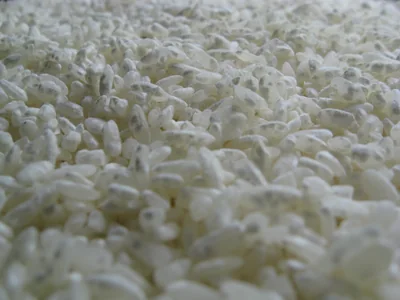


Steamed two cups of rice, cooled it, dusted it with the spores from the packet, and kept it at about 88 F in the oven with the light on and a damp towel over the tray.
24 hours: faint white specks, smelled like chestnuts. 48 hours: white fur over every grain, warm to the touch on its own, sweet smell. Took it out. That is koji.
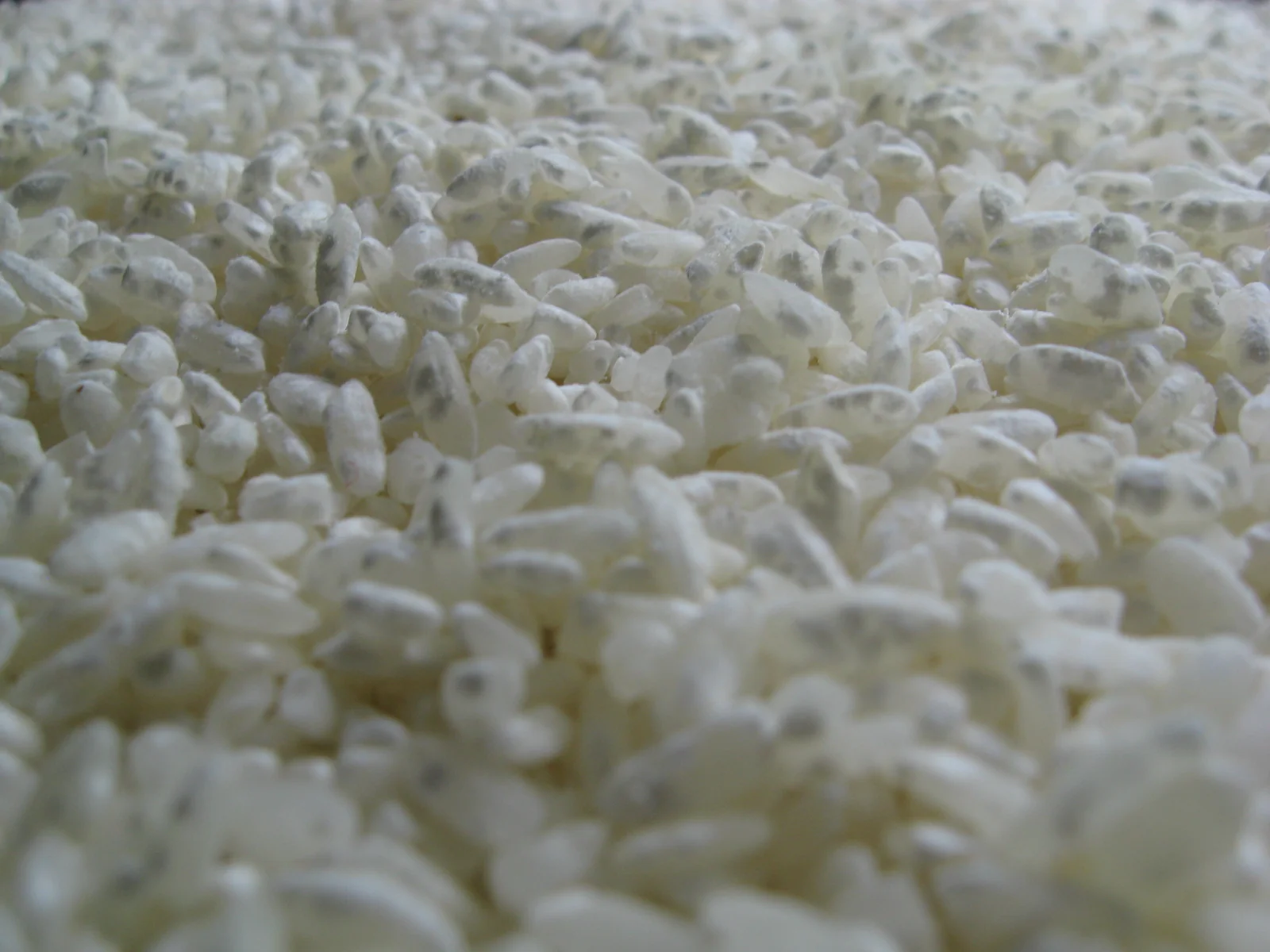
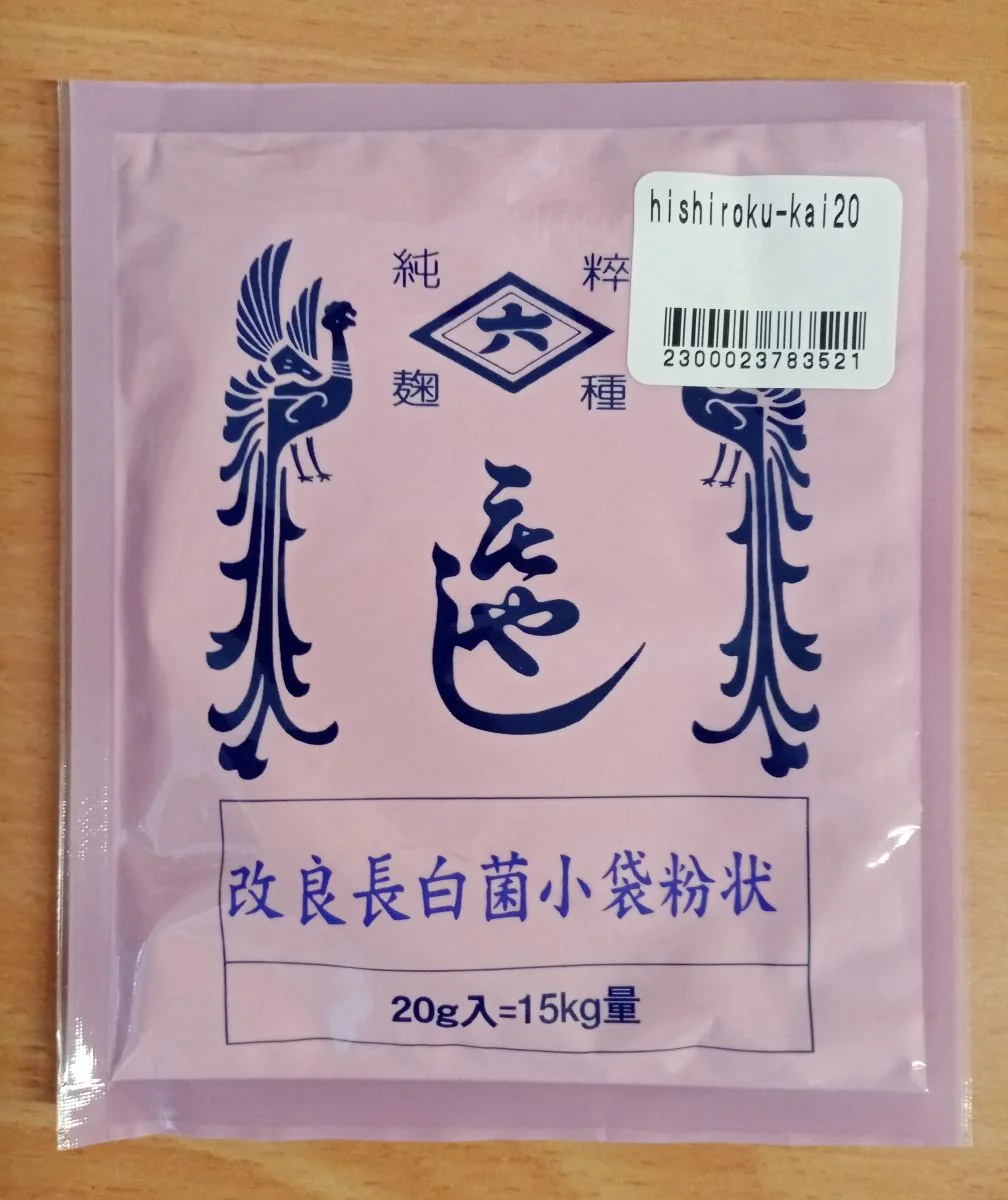
The Great British Chefs primer by Henry Coldstream was my reading this week. “Koji is both the name of a mould grown on cooked grains, and for the starter culture used to grow said mould.” The mold is Aspergillus oryzae. As it grows it puts enzymes into the rice, and those enzymes “break down the proteins and carbohydrates in most substances it comes into contact with, converting them into amino acids, fatty acids and more simplified glucose.”

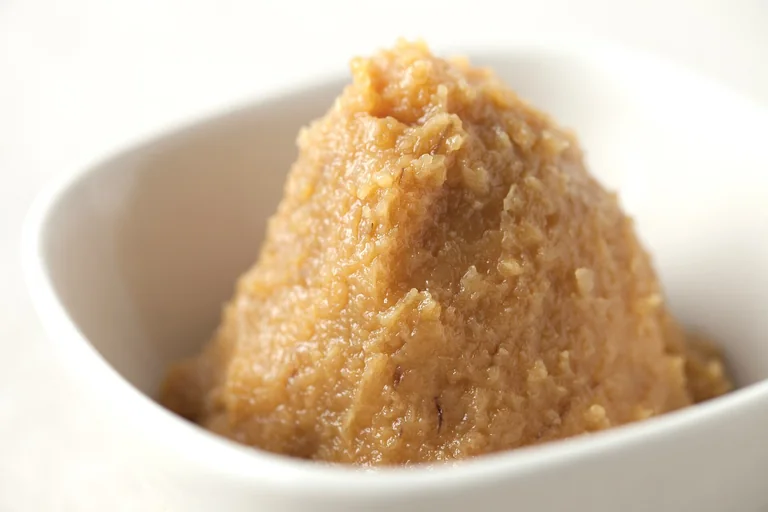
Uses from the same page, which I now have a reason to try. Koji plus salt plus water is shio koji, “a seasoning made simply from koji rice, water and salt.” Koji plus cooked soybeans plus salt plus months is miso. Koji plus rice plus water plus a day is amazake, sweet with no added sugar because the amylase made the sugar.
What I wrote down: the mold is the thing that makes the enzymes, and it keeps making them while it is alive in the food. The spores in the packet are stable for years. The enzymes are not. So the way to have fresh enzymes is to grow the mold.
Half of this batch went into a jar with salt and water for shio koji. The other half went into the miso crock with the beans I cooked yesterday. Date on the crock: May 11.