



Last week’s open question: did anyone sell a catalase pill on the strength of the gray hair research? Yes, and the Federal Trade Commission got there before me.
Read: a ConsumerLab news item from May 2015. “The FTC announced marketers of GetAwayGrey and Rise-N-Shine... have agreed to settle charges that claims made about the products are not supported by science.” The products contained catalase. The marketing leaned on the real finding that gray hair follicles are low on catalase and high on hydrogen peroxide. The FTC’s position was that going from that finding to “take this pill” had no evidence behind it.
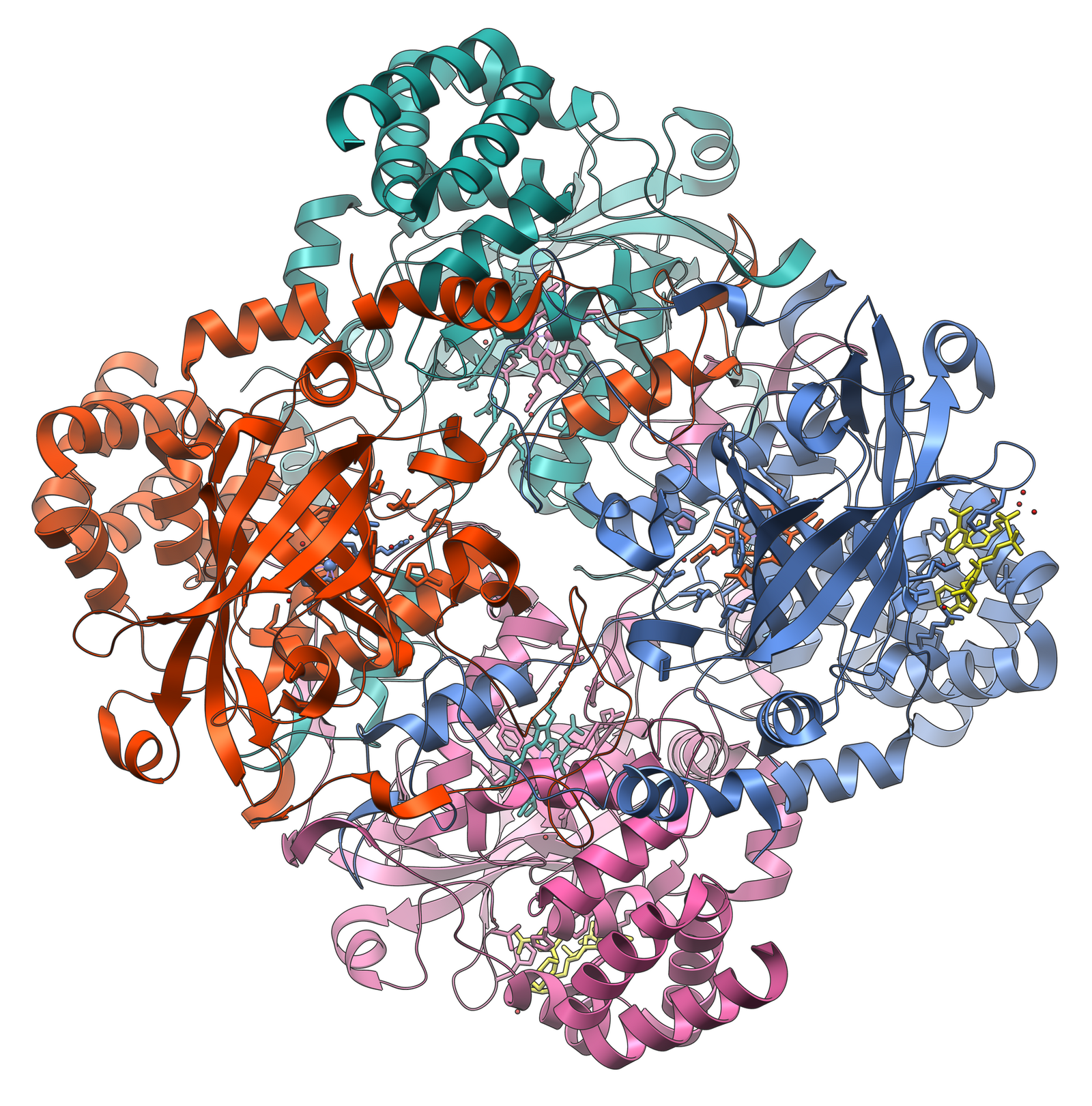
My notes. The gap the FTC pointed at is the gap I have been circling since June. Step one: show that a tissue is short on an enzyme. Step two: show that a swallowed copy of the enzyme reaches that tissue. The catalase pills had step one and skipped step two. From what I have read so far, most SOD pills are in the same position. A regulator just has not asked them yet.
I am not writing this to pile on two companies I had never heard of before this week. I am writing it because it is the clearest example I have of the two steps being different.
Still open: whether any oral enzyme product has ever shown step two for any tissue. I have not found one yet.