


The two melon SOD products I keep seeing on shelves are GliSODin and Extramel. Found a LongeCity thread from September 2009 where people compared them. It is short and the useful part is three replies.
The opener, tunt01, did not use SOD supplements and thought they only made sense “if you have some sort of impaired system like HIV or Lupus.”
hamishm00 raised a worry I have seen in other enzyme threads since: “the body becoming a slave to SOD boosters and losing some of it’s own endogenous production of SOD, Catalase and Glutathione.” I looked for a human study on this in either direction and did not find one. So it stays a worry.
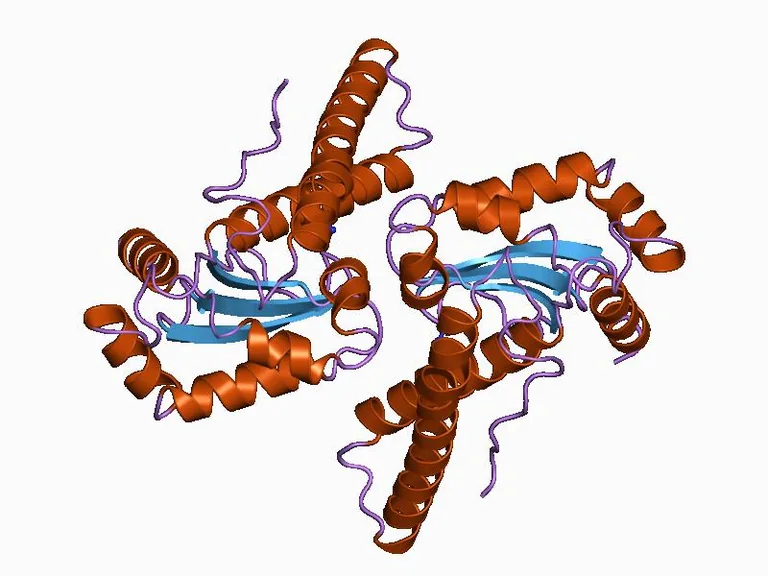
suprdupracetam gave the actual difference. In Extramel the “superoxide dismutase enzyme was made bioavailable by coating it with palm oil.” GliSODin uses wheat gliadin for the same job. aaron_e added the practical point about Extramel: “nice that there’s no gluten derived proteins.”
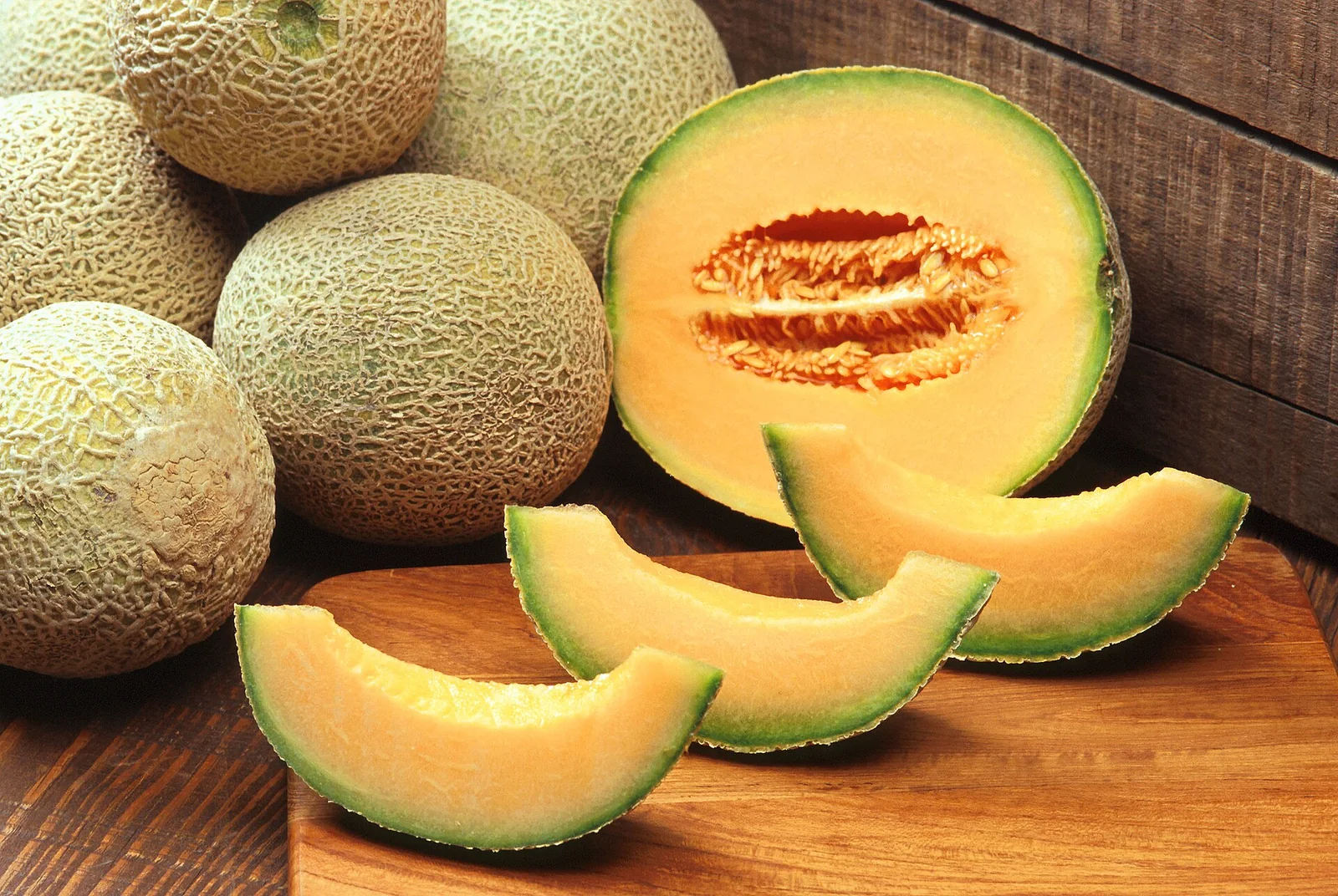

My notes: the enzyme is the same melon enzyme in both. The difference is the coat, wheat or palm oil, and whether the buyer can eat wheat. This matches the rat paper from last week, where packaging moved the number more than the enzyme did. Seventeen years after this thread the two products are still the same two coats.
Still open: whether either company has published a number like the rat study’s 14 and 57 for their own coating, in people.